High-Efficiency Power Conversion
Design of AC-DC, DC-DC, and isolated converter topologies for efficiency, density, and reliability.
Efficient, Stable, and Scalable Power for Mission-Critical Hardware
Qmax Systems delivers end-to-end power electronics engineering for products that demand high efficiency, robust operation, and long-term reliability. We design complete power subsystems, from input protection and conversion stages to point-of-load regulation and system-level validation.
Whether you are building edge AI devices, telecom infrastructure, industrial controls, or battery-based products, our team focuses on practical architecture decisions that reduce field failures and improve performance under real operating conditions.
We combine architecture planning, simulation-driven design, and hardware validation to deliver resilient power systems for demanding applications.
Design of AC-DC, DC-DC, and isolated converter topologies for efficiency, density, and reliability.
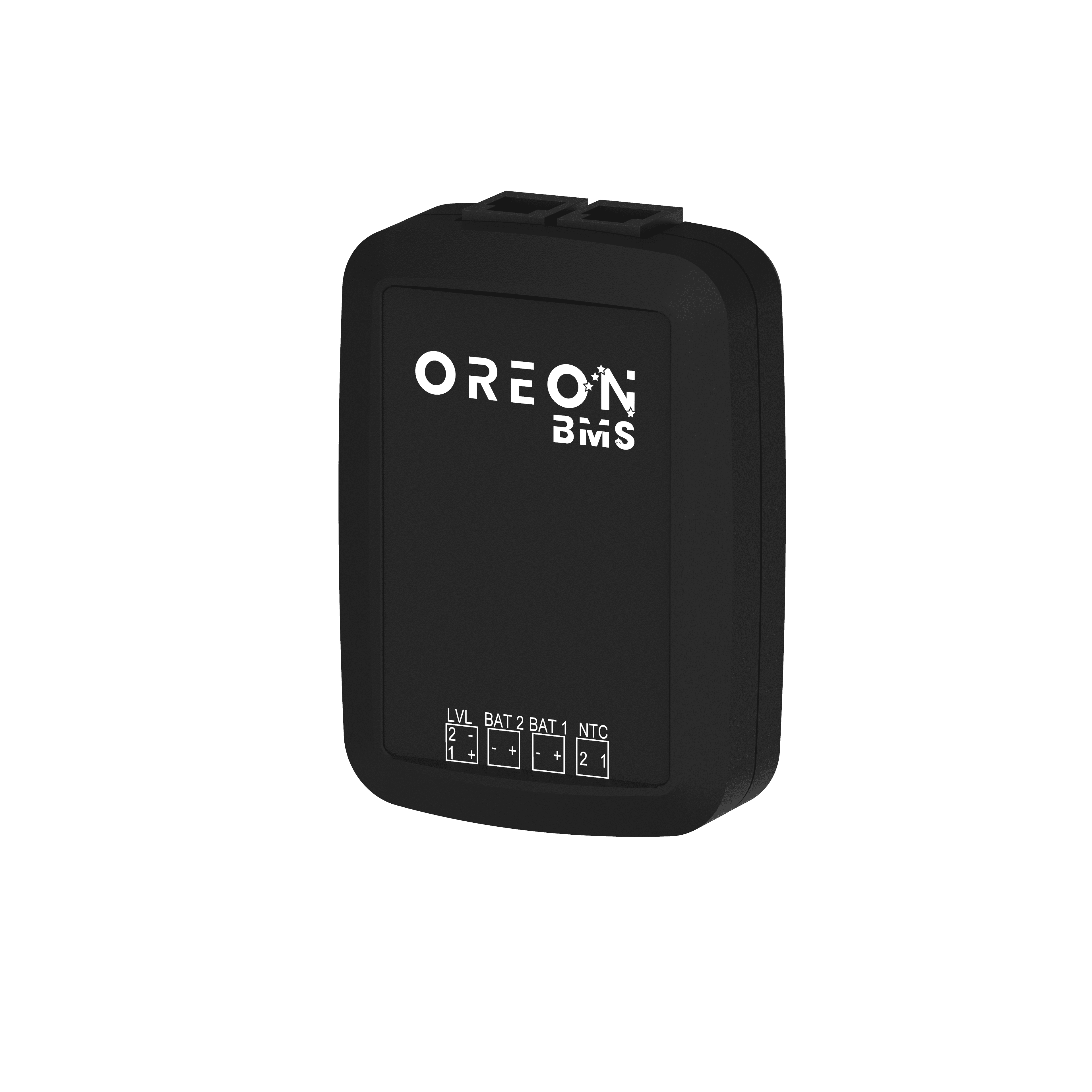
Multi-cell battery management, charging control, protection circuitry, and runtime optimization.
Power stages and control electronics for BLDC, PMSM, and industrial motor applications.
PI-driven layout, filtering, grounding, and shielding strategies for stable and compliant systems.
Custom switched-mode and linear power architectures tailored for industrial, telecom, and embedded platforms. We engineer for low ripple, robust startup, and high-load transient response.
Structured rail planning from source to point-of-load with simulation-led decoupling and impedance control to support modern processors, FPGAs, and accelerators.
Battery pack monitoring, balancing, safety interlocks, and state estimation for portable, backup, and electrified systems.
Joint electrical-thermal design using component derating, loss analysis, and cooling strategies to maintain long-term field reliability.
Step 1
Define input ranges, load profiles, thermal limits, and regulatory requirements.
Step 2
Evaluate topology choices and validate performance via circuit and thermal analysis.
Step 3
Create schematic and layout with PI and EMI best practices, then build and bring up prototypes.
Step 4
Run efficiency, thermal, stress, and compliance checks before production support and release.
Need support for a new power architecture, redesign, or compliance preparation? Our power electronics team can help you move from concept to validated hardware with measurable performance outcomes.