Requirements
- Firmware PRD
- Feasibility & toolchain
Qmax Systems provides embedded design services across the complete product lifecycle - from requirements and architecture through board bring-up, validation, and OTA-based fleet maintenance. Qmax Systems engineers design for real-world deployment from Day 1: ASIL traceability for automotive (ISO 26262), IEC 62304 for medical devices, DO-178C for avionics, and OPC-UA determinism for industrial systems - not retrofitted at sign-off.
Talk to our engineersFrom Requirement to Production
Qmax Systems engineers plan for field deployment from Day 1 - before the first line of production firmware is written. OTA pipeline design, battery duty-cycling, certification readiness (FCC, CE, IEC 62304, ISO 26262, AEC-Q100), commissioning workflows, remote diagnostics, communication cost budgeting, MTBF planning, and security patch cadence are all architected at project start - not added after the first field failure.
Signed, encrypted firmware delivery with dual‑bank rollback and delta updates - designed in before line one.
Adaptive duty cycling, deep‑sleep wake sources, and energy profiling - so devices last years on a single charge.
FCC, CE, BIS, IEC, UL, ISO 13485, IEC 62304, AEC‑Q100 - compliance considered in architecture, not bolted on later.
QR or mobile‑assisted onboarding, identity provisioning, cloud registration, and secure key exchange built‑in.
Logging, remote diagnostics, watchdog telemetry, and remote command interfaces - engineered for fleet operations, not lab demos.
Payload compression, delta encoding, and smart backoff - measured against your cellular / LPWAN bill from day one.
Component derating, thermal margin, watchdogs, and 24–72-hour endurance runs - reliability designed and proven, not assumed.
Secure boot, signed images, X.509 identity, TPM/secure element anchoring, and a patch pipeline that survives the whole product life.
From IEC 62304 software life‑cycle for medical, to ISO 26262 ASIL traceability for automotive, to DO‑178C for avionics, to OPC‑UA determinism for industrial - we anticipate the factors unique to your domain and engineer for them from Day 1, not after the first field failure.
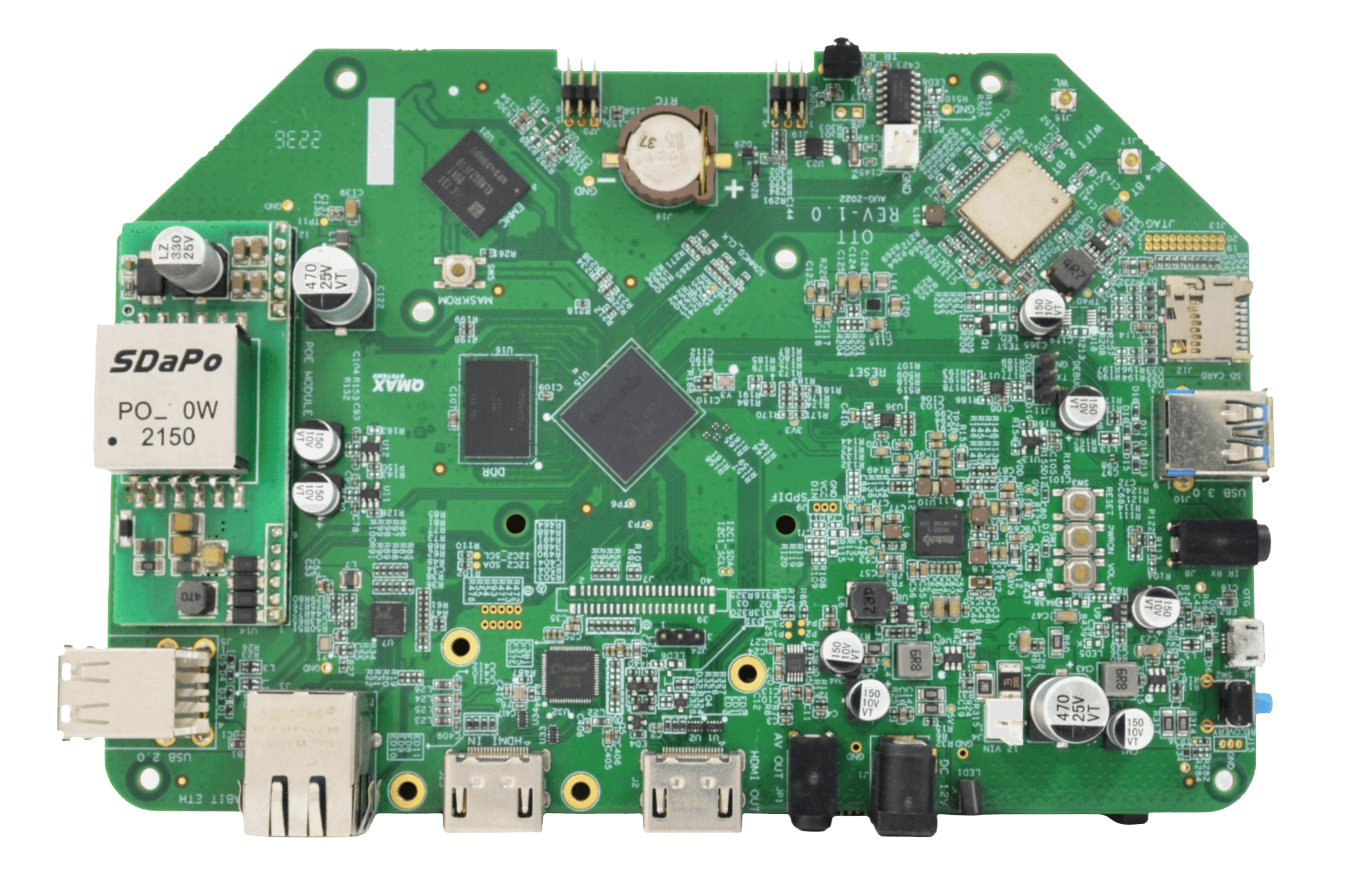
Qmax Systems delivers embedded software across the full firmware stack - bare-metal C/C++ on resource-constrained MCUs, FreeRTOS and Zephyr RTOS on Cortex-M, Yocto Linux on Cortex-A, OpenWrt-based networking platforms, and OpenBMC/UEFI server firmware. All work is developed to MISRA-C/C++ coding standards and validated on production silicon.
Qmax Systems engineers start at first power-on - clock tree configuration, boot ROM initialization, and flash memory map - and deliver deterministic, MISRA-C/C++ compliant firmware. Peripheral drivers (SPI, I²C, UART, USB, CAN, ADC), bootloader design, and application code are engineered for the tight constraints of MCU targets including STM32, ESP32, NXP i.MX RT, and Nordic nRF52/53.
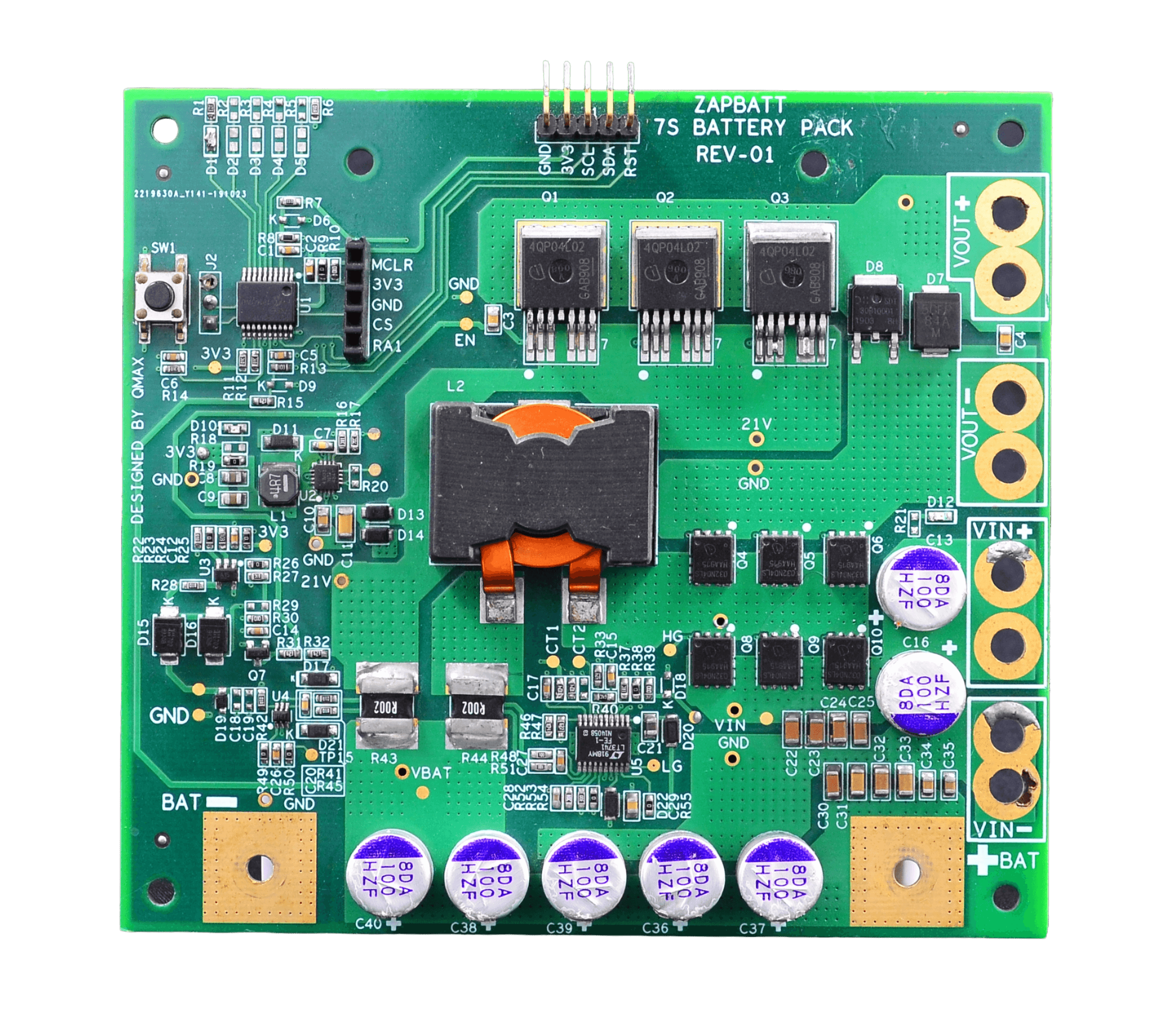
Qmax Systems builds four production-ready modular firmware frameworks - Secure OTA, Battery Management, Cellular Communication, and Device Commissioning - deployed across Qmax Systems programs in IoT, medical, and industrial markets. These reusable libraries shorten time-to-market and reduce long-term maintenance cost for fleets ranging from hundreds to hundreds of thousands of devices.
Over-the-Air firmware updates for remote upgrades.
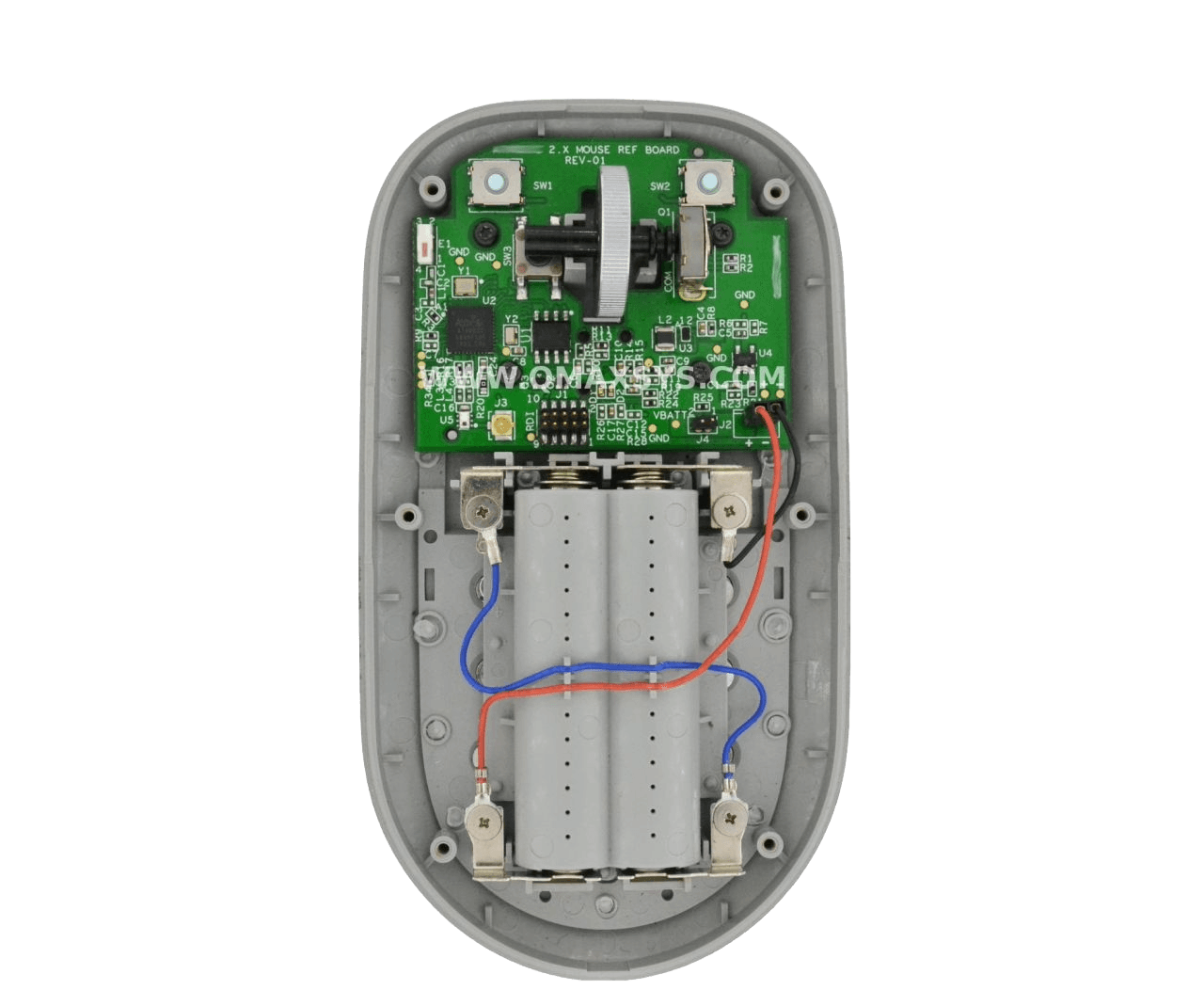
Efficient power usage for remote IoT devices.
Secure communication stacks for cellular devices.
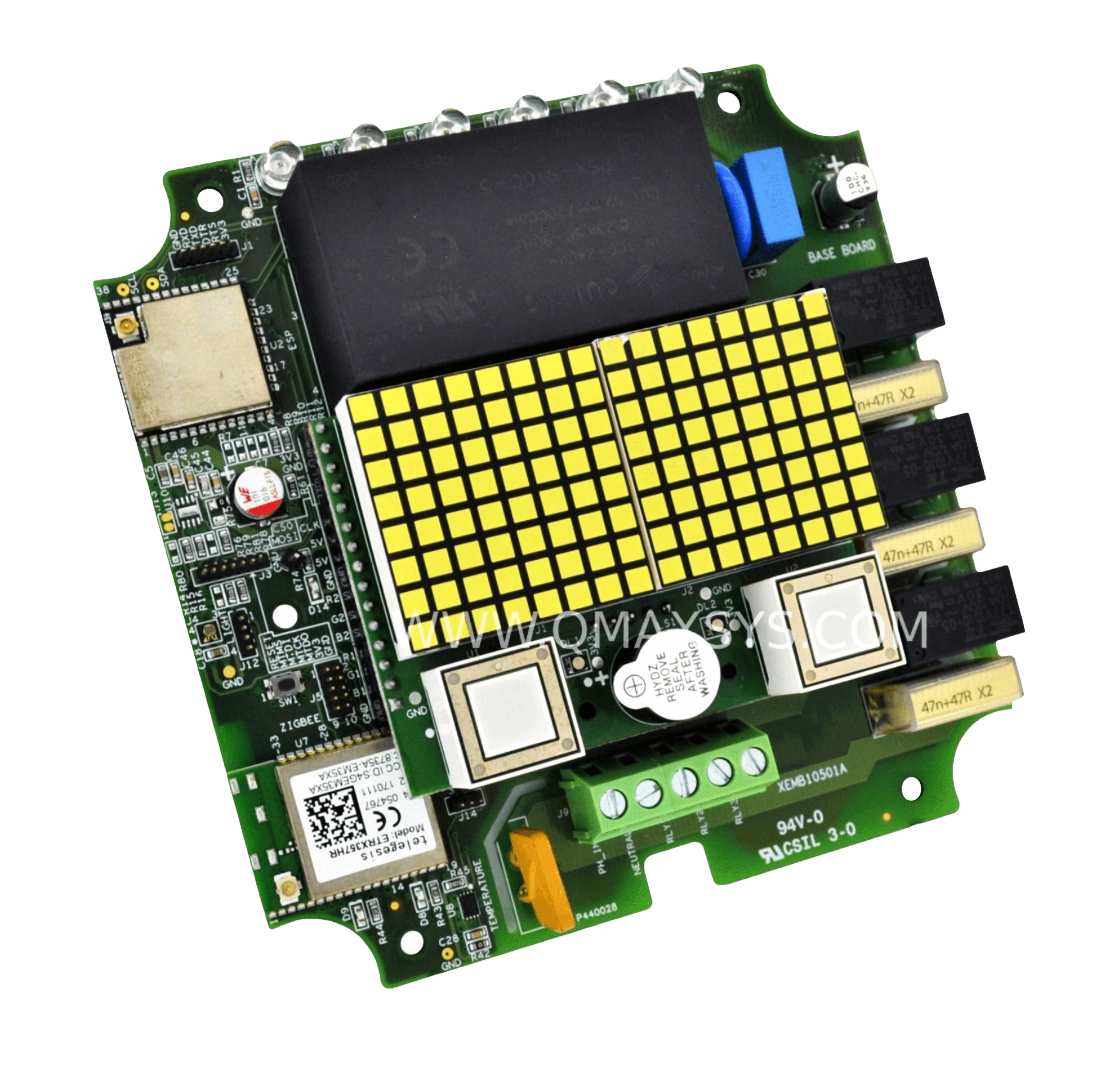
Secure onboarding infrastructure for IoT ecosystems.
Qmax Systems designs automotive firmware for ECUs, infotainment, ADAS, and EV powertrain systems built to AEC-Q100 and IATF 16949 standards. This firmware handles harsh thermal cycling, severe vibration, and aggressive EMI across cabin, chassis, and under-the-hood applications.
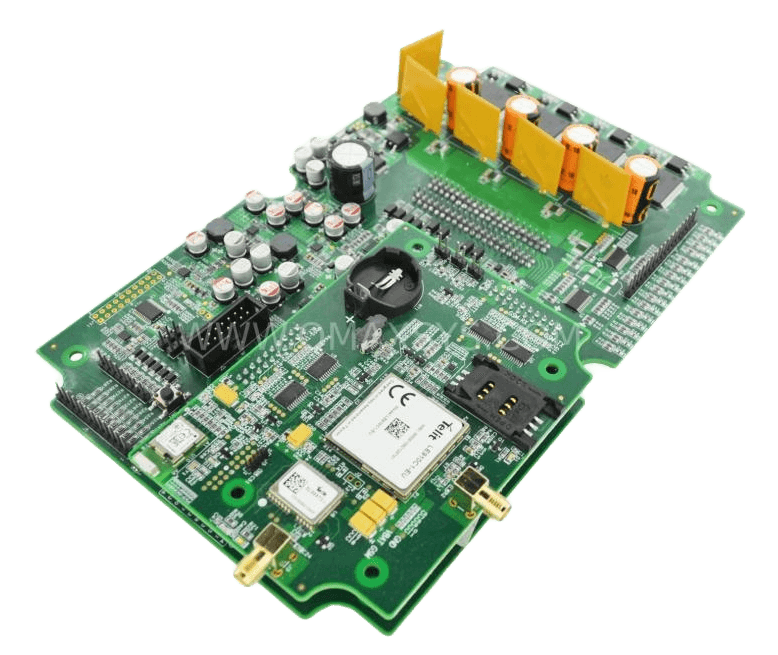
From multi-layer ECU boards to high-current EV battery management systems, Qmax Systems delivers firmware designs that meet zero-defect quality and full automotive traceability.
Learn More
Qmax Systems provides full milestone visibility - every design review, risk register, and build delivered on a weekly cadence with traceable deliverables and zero hidden surprises at handover.
Qmax Systems engagement extends well beyond launch - feature updates, silicon obsolescence management, security patches, and OTA fleet rollouts keep firmware healthy across the full commercial life of the product.
Qmax Systems firmware engineers sit next to the hardware team - board bring-up timelines collapse, schematic risks surface early, and the system comes up clean on the first prototype spin.
Qmax Systems engineers average 12+ years of experience across automotive, medical, aerospace, IoT, and networking. Senior engineers own every design - no junior hand-offs, no learning on the client's timeline.
Qmax Systems enforces MISRA‑C/C++, automated static analysis, HIL testing, and 24–72-hour endurance runs with memory-leak and OTA-rollback validation as part of every release.
Qmax Systems battle-tested libraries for Secure OTA, Battery Management, Cellular Communication, and Device Commissioning shorten time-to-market and lower long-term maintenance cost across programs.
 Questions?
Across hundreds of programs, Qmax Systems firmware engineers have shipped production code on the silicon below - carrying hands-on experience with toolchains, SDKs, errata sheets, and reference designs so every project starts from working ground, not from scratch.