Power Electronics Design - Qmax Systems

Power Electronics Design Services GaN/SiC Conversion, Thermal, and BMS

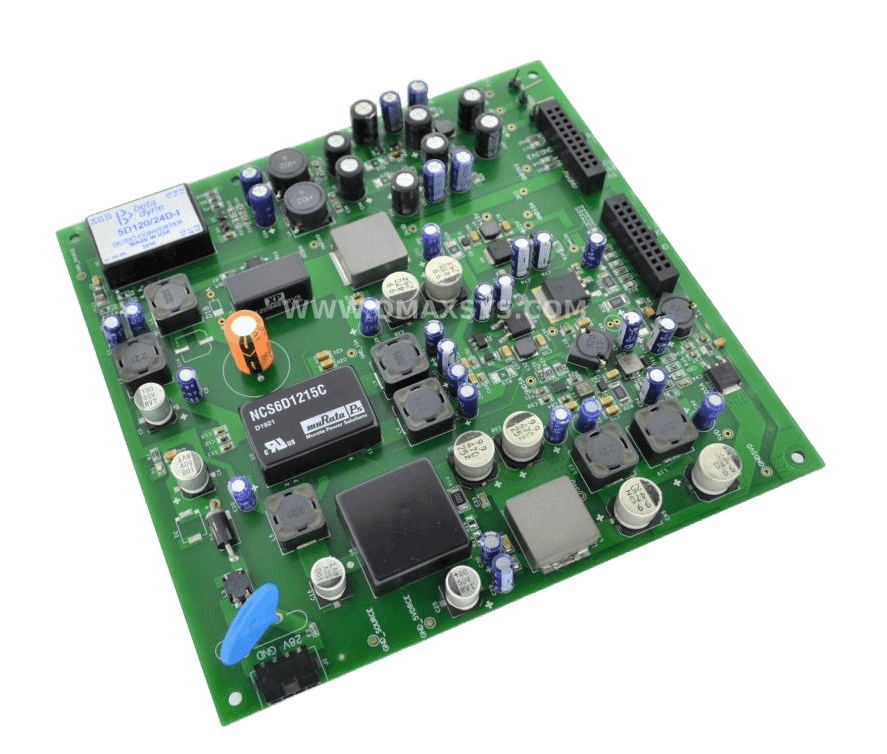
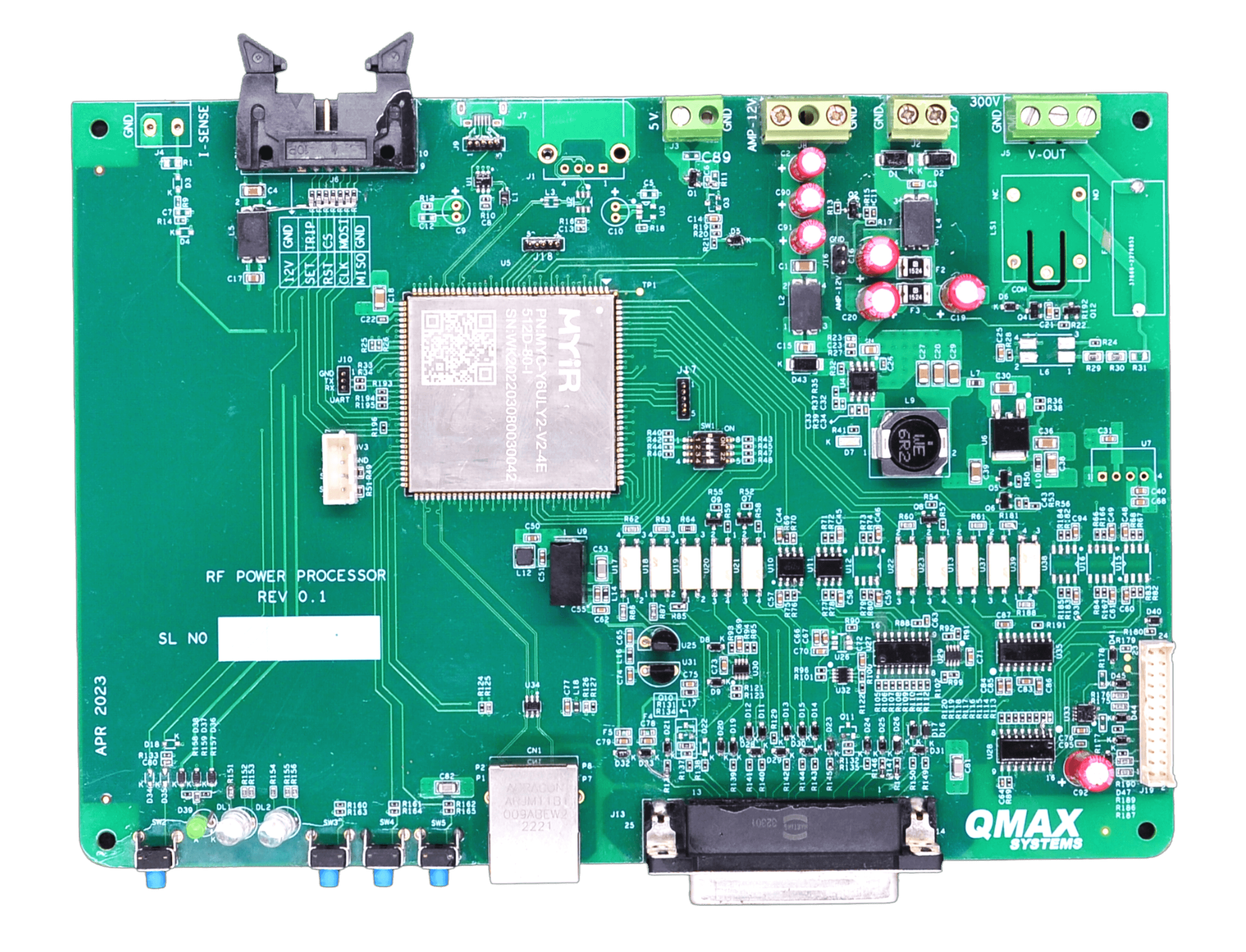
Qmax Systems provides power electronics design services - high-density, high-efficiency power conversion and energy management for electrified transport, hyperscale data centers, and industrial automation. Qmax Systems bridges wide-bandgap (GaN/SiC) semiconductor capability and rugged, market-ready hardware, engineering thermal management, EMI/EMC mitigation, and high-voltage safety from kilowatt-scale PDUs to precision Battery Management Systems.

Talk to Our Engineers

Our Core Service Offerings

Electric Vehicle (EV) and E-Mobility power electronics with chargers, motor control, and scalable BMS.

What we deliver

Qmax Systems designs electric-vehicle and e-mobility power electronics, including 1-phase and 3-phase On-Board Chargers (OBC) with integrated Power Factor Correction (PFC) for global grid compatibility. Qmax Systems develops high-performance motor controllers for PMSM and BLDC motors using Field-Oriented Control (FOC) algorithms. Qmax Systems also builds scalable Battery Management Systems (BMS) with active and passive balancing, high-accuracy cell monitoring, State-of-Charge (SoC) estimation, and multi-stage protection.

  • On-Board Chargers (OBC) - 1-phase and 3-phase chargers with integrated PFC for global grid compatibility.
  • Motor Controllers - PMSM and BLDC drive electronics using Field-Oriented Control (FOC) algorithms.
  • BMS with active/passive balancing - high-accuracy cell monitoring, SoC estimation, and multi-stage protection.

Typical applications: Electric vehicles · E-mobility · Vehicle-to-Grid (V2G) · EV charging · Automotive powertrain

Applications & Real-World Project Experience

Our portfolio includes hundreds of advanced power platforms delivered to regulated industries:

Portable EV Charger

Portable EV Charger

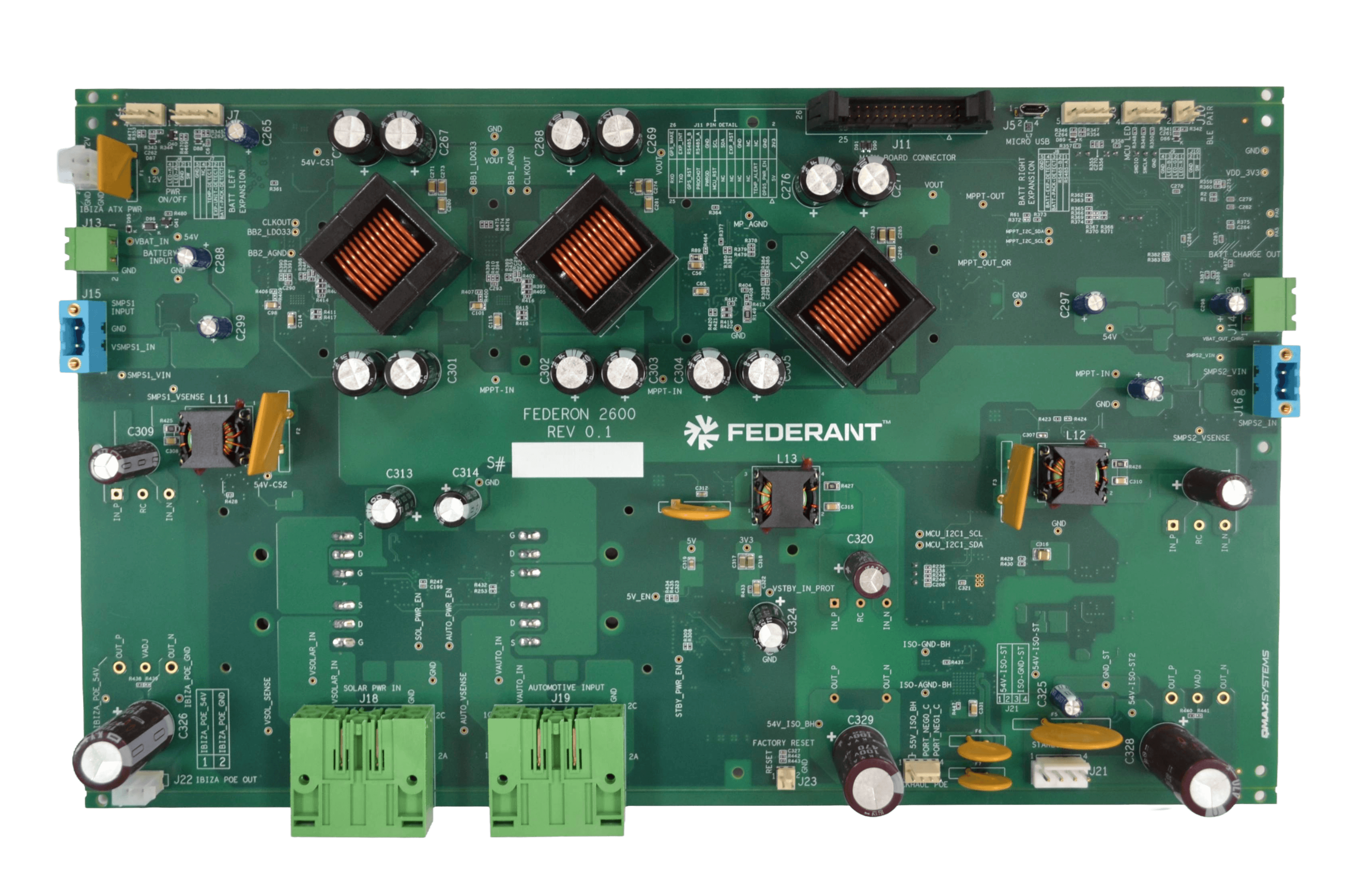
Multi-rail AC-DC and DC-DC converter design for a portable EV charger platform, with efficient power distribution, thermal-optimized layout, and robust protection and filtering circuits.

View case study
Ultra Low Cost BLDC Motor Controller for EVs

Ultra Low Cost BLDC Motor Controller for EVs

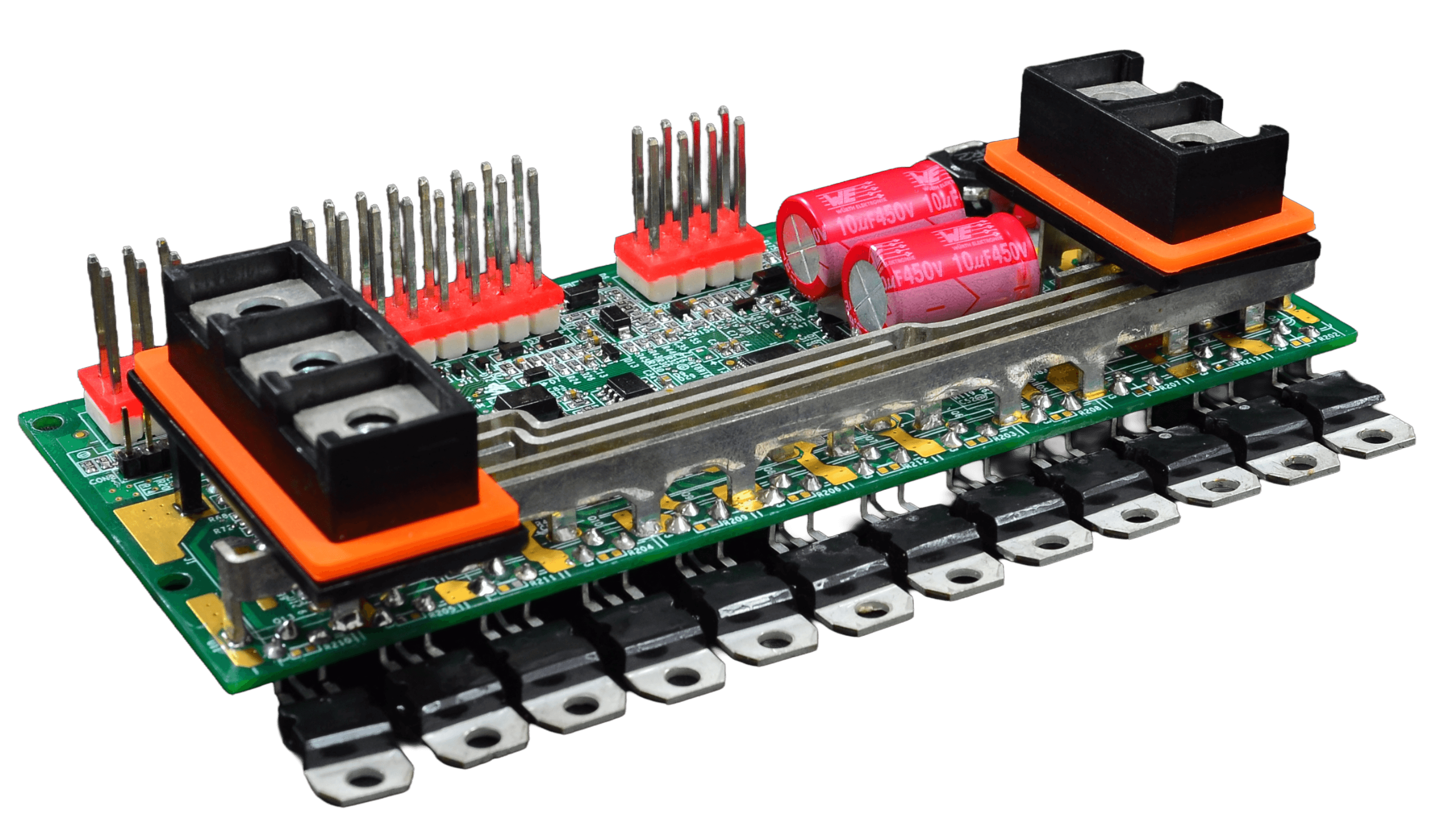
Ultra low-cost BLDC motor drive and inverter development for electric vehicles, with high-current MOSFET stages, current sensing, and thermal-aware power electronics layout.

View case study
BMS Controller

BMS Controller

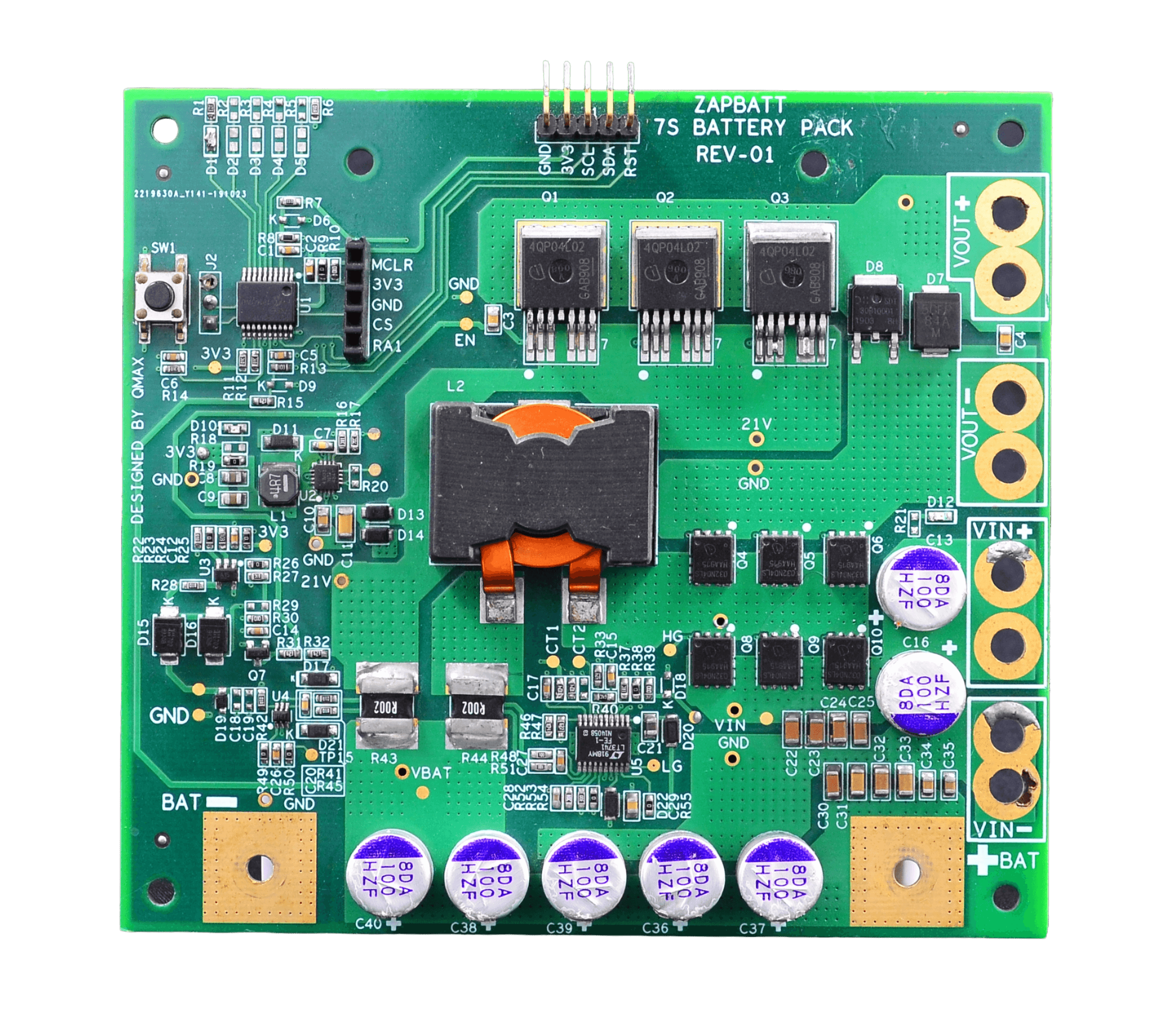
Battery management system design with cell monitoring, balancing, and protection circuitry for safe charge and discharge control across multi-cell energy storage applications.

View case study
POE Power Injector

POE Power Injector

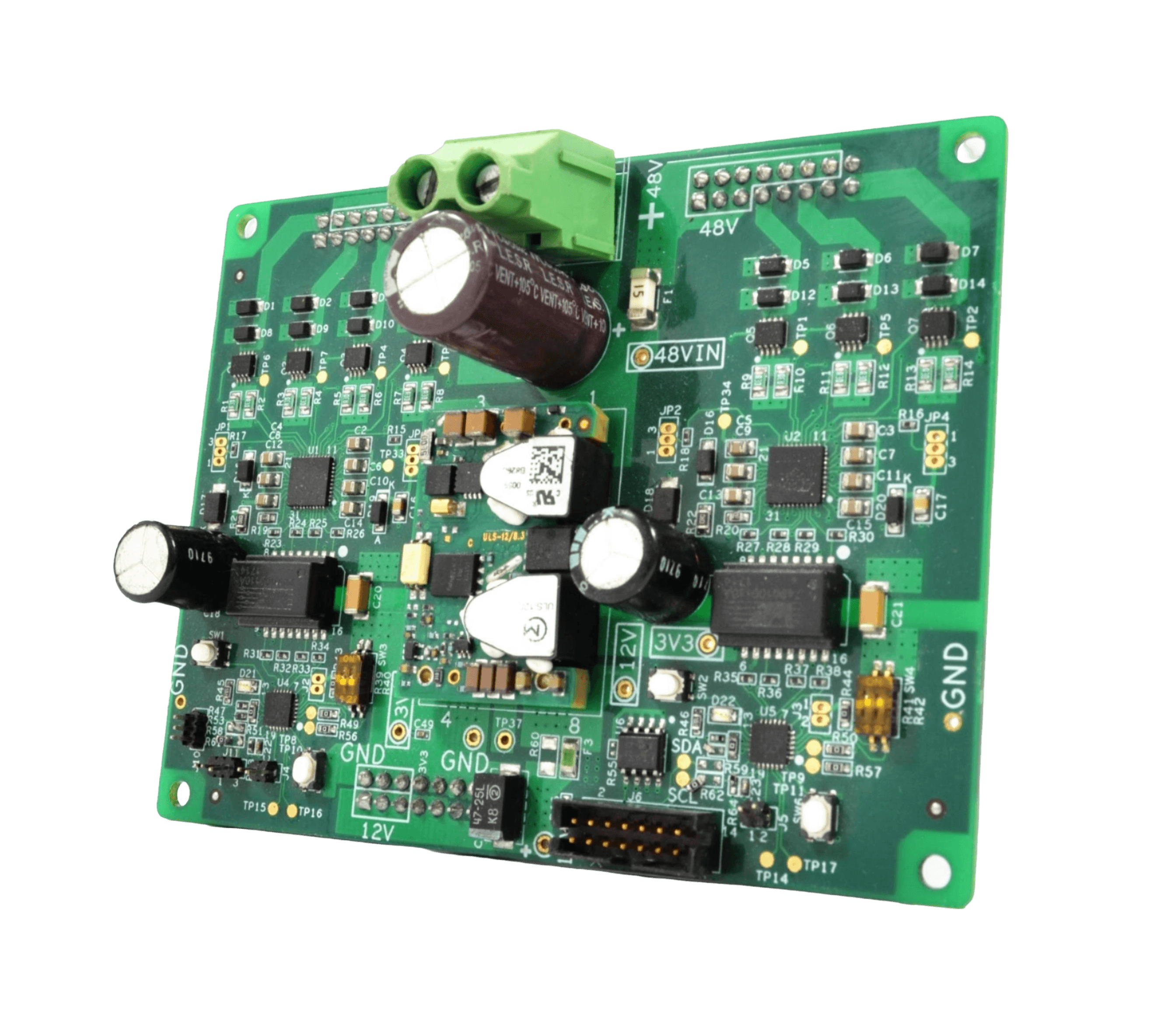
Multi-port PoE power injector with switched-mode power supply architecture, supporting 802.3af/at/bt standards with per-port power metering and high-efficiency isolated DC-DC conversion.

View case study
Thermal Analysis and Management

Thermal Analysis and Management

Industrial thermal management system with multi-zone temperature sensing, automated cooling control, and protection circuits for predictive overheating alerts and long-term reliability.

View case study

Our Technical Strengths in Power Electronics

Engineering high-power systems requires a rigorous understanding of magnetics, control theory, and physical PCB topology. Qmax Systems expertise covers the full spectrum of modern power conversion.

Advanced Topology Implementation

Qmax Systems implements Resonant LLC converters, Phase-Shifted Full Bridge (PSFB), and multi-phase interleaved topologies for optimized efficiency.
Wide-Bandgap Integration

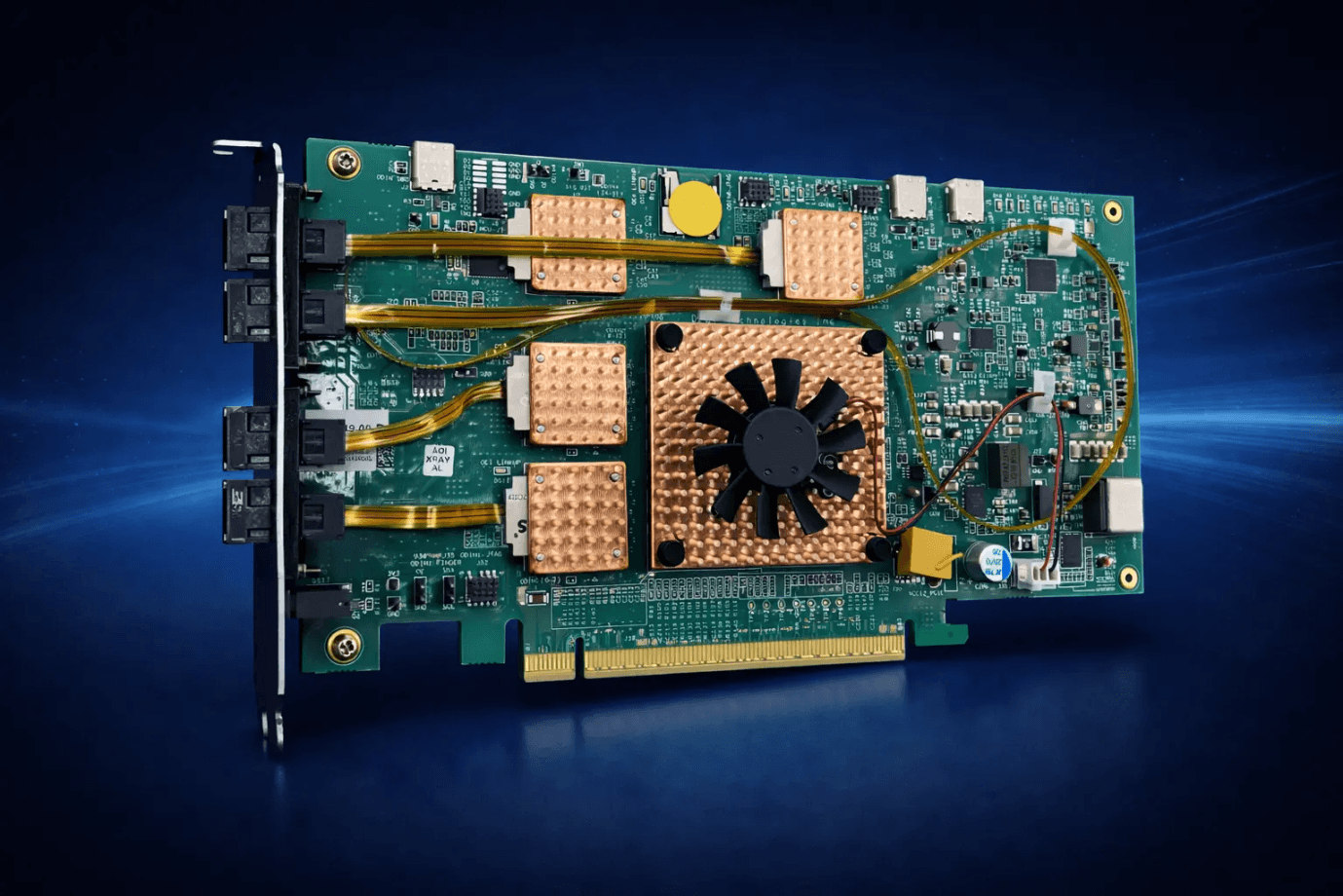
Qmax Systems designs with Silicon Carbide (SiC) and Gallium Nitride (GaN) FETs to achieve higher switching frequencies and power densities.

Thermal & Fluid Dynamics

Qmax Systems designs advanced cooling, including liquid-cooled cold plates and optimized forced-air heat-sink geometries.

Magnetics Design

Qmax Systems designs custom inductors and transformers, minimizing core loss and controlling leakage inductance.

Compliance & Standards

Qmax Systems designs for the world's most stringent regulators, delivering high-reliability power electronics for the automotive, medical, and industrial sectors.

Automotive

  • ISO 26262 - functional safety (ASIL)
  • AEC-Q100 - component qualification
  • CISPR 25 - vehicle EMC limits

Medical

  • IEC 60601-1 - patient safety and isolation
  • ISO 13485 - quality management

Industrial

  • IEC 61000 - electromagnetic immunity
  • UL 60950 / 62368-1 - equipment safety

Standards references: IEC, JEDEC (JESD204B/C), IPC.

Why Choose Qmax for Power Electronics Design?

Qmax Systems solves the physics-based problems that lead to field failures in high-voltage systems, before they reach the prototype.

HV Clearance & Creepage Mastery

Qmax Systems adheres strictly to IPC-2221 and IEC 60601 standards for high-voltage isolation, using 3D modeling to validate safety distances in compact enclosures.

EMI/EMC Mitigation at Source

Qmax Systems uses pre-compliance simulation to address Radiated (RE) and Conducted Emissions (CE) through proper Pi-filter tuning and snubber design.

Ground Loop Elimination

Qmax Systems strategically partitions power and signal grounds to prevent common-mode noise injection in sensitive analog feedback loops.

Advanced PCB Topology

Qmax Systems masters high-current heavy-copper PCBs (up to 6 oz) and multi-layer HDI stacks with optimized thermal-via arrays.

Questions? Let's Talk! Contact us. Saravanabhavan, Founder & CEOQuestions?
Let's Talk!
Contact UsSaravanabhavan
Founder & CEO

Get a Complimentary Consultation with Our Power Electronics Experts.

1-hour session with a Qmax Systems Senior Hardware Architect. Practical, engineering-driven - no sales pitch.
Schedule Consultation

Case Studies

More Case Studies

Frequently Asked Questions

How does Qmax Systems manage thermal dissipation in high-density power modules?
Qmax Systems manages thermal dissipation using heavy-copper traces, thermal-via arrays, and specialized substrates such as Insulated Metal Substrate (IMS) and high-Tg FR-4. For extreme power densities, Qmax Systems designs custom liquid-cooling systems and integrated cold plates. Qmax Systems validates every thermal design in simulation before prototyping to keep junction temperatures within derated limits.
What experience does Qmax Systems have with wide-bandgap (SiC/GaN) semiconductors?
Qmax Systems designs with Silicon Carbide (SiC) and Gallium Nitride (GaN) FETs in high-frequency converters to reduce magnetics size and increase efficiency. Qmax Systems focuses specifically on managing the high dv/dt and di/dt of wide-bandgap devices to prevent EMI issues, through careful gate-drive, layout, and snubber design.
How does Qmax Systems ensure safety in high-voltage (800V+) designs?
Qmax Systems ensures high-voltage safety through rigorous clearance and creepage analysis per IEC standards, galvanic isolation of control circuitry, and active-discharge circuits. Qmax Systems validates safety distances with 3D modeling in compact enclosures, adhering to IPC-2221 and IEC 60601 high-voltage isolation requirements.
How does Qmax Systems achieve high efficiency in AC-DC converters?
Qmax Systems achieves high efficiency in AC-DC converters using Bridgeless Totem-Pole PFC topologies and synchronous rectification to minimize conduction losses. Qmax Systems regularly designs power supplies that reach 80 PLUS Titanium efficiency levels, using high-frequency switching that also reduces the converter footprint.
Does Qmax Systems support Battery Management System (BMS) development?
Yes. Qmax Systems develops Battery Management Systems for Lithium-ion and LiFePO4 chemistries, including active and passive cell balancing, fuel gauging, and State-of-Charge estimation. Qmax Systems integrates communication protocols such as CANbus and RS-485, with multi-stage protection for scalable, high-voltage battery packs.
Does Qmax Systems design custom magnetic components?
Yes. Qmax Systems designs custom magnetic components, specifying core materials, winding geometries, and litz-wire gauges to optimize inductors and transformers for specific switching frequencies and ripple requirements. Qmax Systems minimizes core loss and controls leakage inductance for high-efficiency power conversion.
What is included in the 1-hour complimentary consulting session with Qmax Systems?
During this session, you will speak directly with a Senior Hardware Architect from Qmax Systems. The team can review your block diagrams, discuss thermal, signal integrity, or noise challenges, provide high-level architecture validation, or help refine your hardware roadmap to reduce time-to-market. An NDA can be signed before the session if required.
How does Qmax Systems protect customer design data and intellectual property?
Qmax Systems treats every engagement under strict IP protection: NDAs are signed before any technical discussion, dedicated secure project workspaces are maintained, and role-based access controls are applied to all design files. Customers own all IP at every milestone - schematics, layouts, BoMs, and firmware. Qmax Systems engineers never reuse or repurpose customer IP across other client engagements.