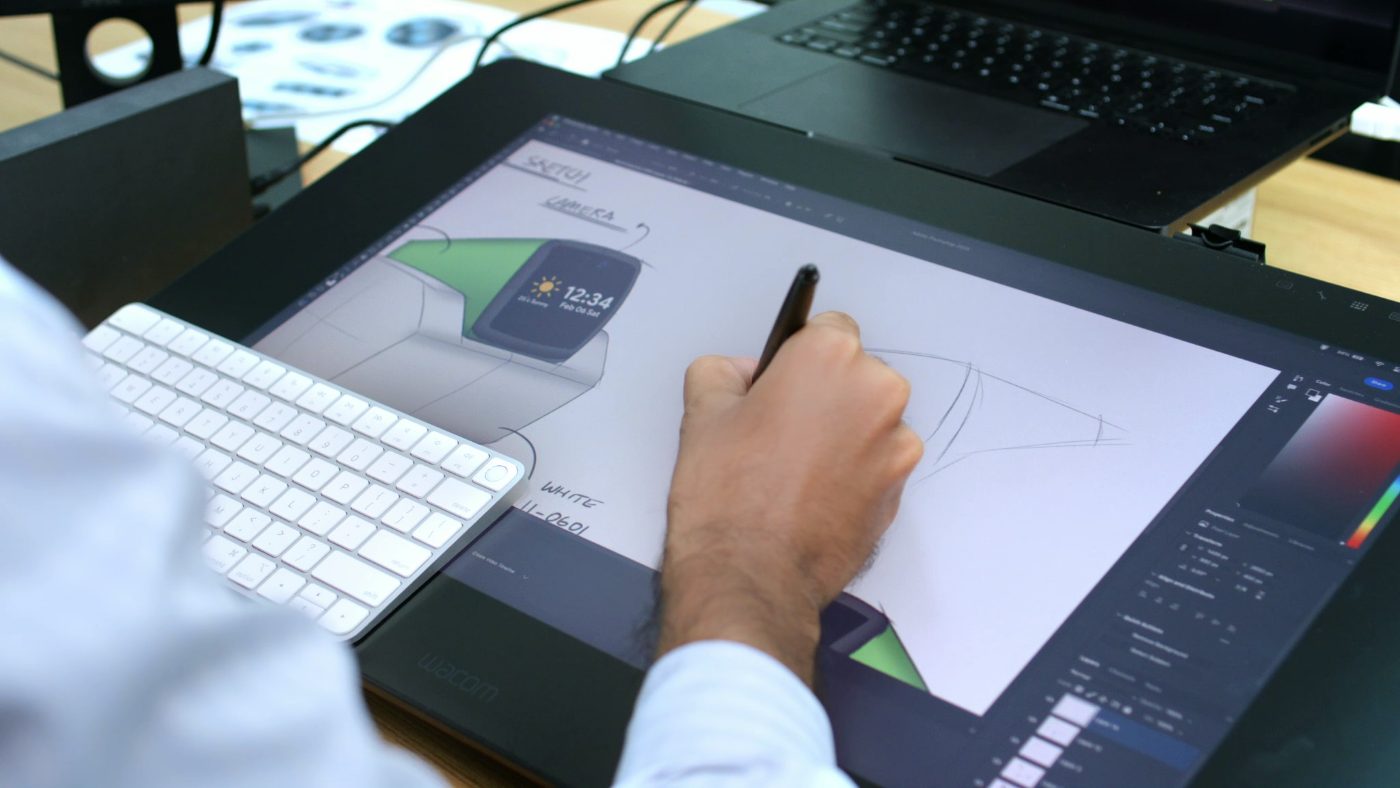
Every successful product begins with a clearly articulated concept. Our industrial designers work directly with clients to translate product requirements, brand values, and user needs into clear visual concepts. This phase includes hand sketches, digital concept illustrations, and annotated visualization boards that communicate design intent to both technical and non-technical stakeholders.
Deliverables Include
Concept sketch sets (hand-drawn and digital).
Design direction boards (form language, aesthetic intent).
Approved concept sketches are translated into precision parametric 3D models using industry-standard CAD platforms. Our models are construction-ready - built with tolerancing, draft angles, wall thickness constraints, and assembly logic incorporated from the outset. CAD deliverables are fully documented with manufacturing annotations, bill of materials structure, and revision control to support downstream mechanical engineering and tooling activities.
Typical Scope
Surface and solid 3D modeling (CATIA, SolidWorks, Fusion 360, Rhino).
Assembly and exploded view modeling.
DFM (Design for Manufacture) and DFA (Design for Assembly) review.
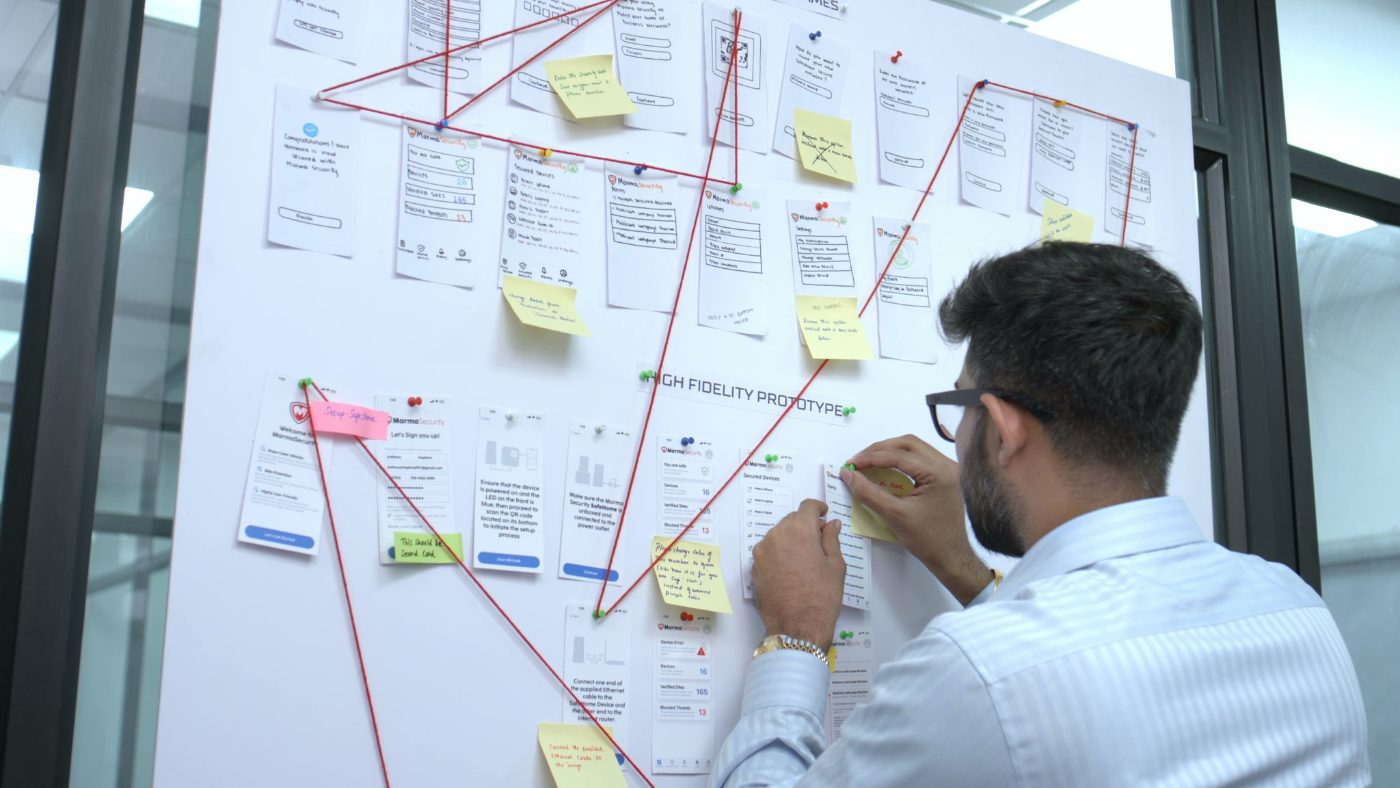
For products with embedded displays, touchscreens, or physical control interfaces, our team designs the complete user experience - from information architecture and interaction logic to visual interface design and usability validation. We apply human factors engineering principles to ensure every interface is intuitive, accessible, and aligned with the product's intended operating environment.
Typical Scope
User research and persona definition.
Wireframing and interaction flow design.
High-fidelity UI mockups and design systems.
Usability testing with real end-users.
Physical ergonomics analysis and control layout optimization.
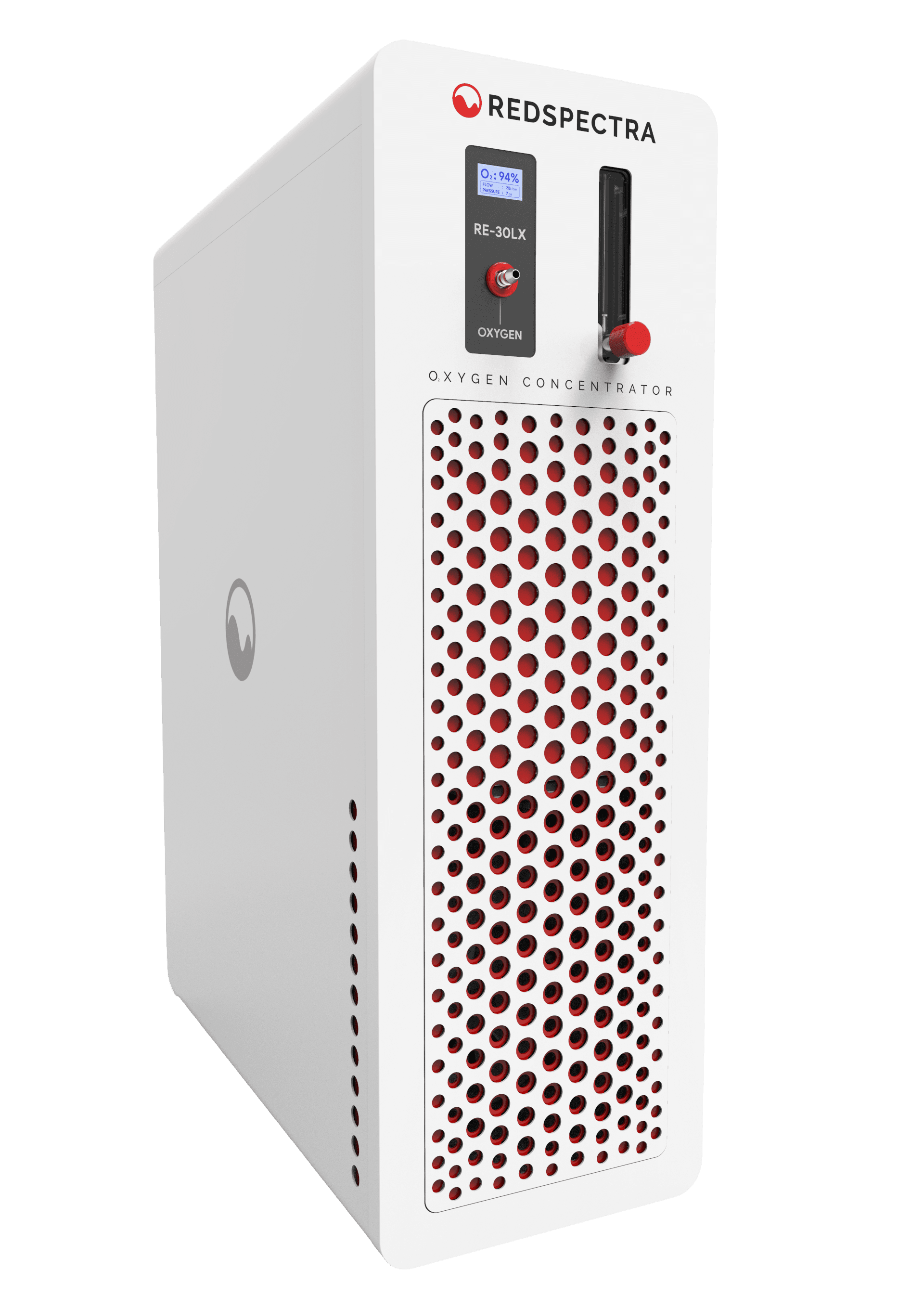
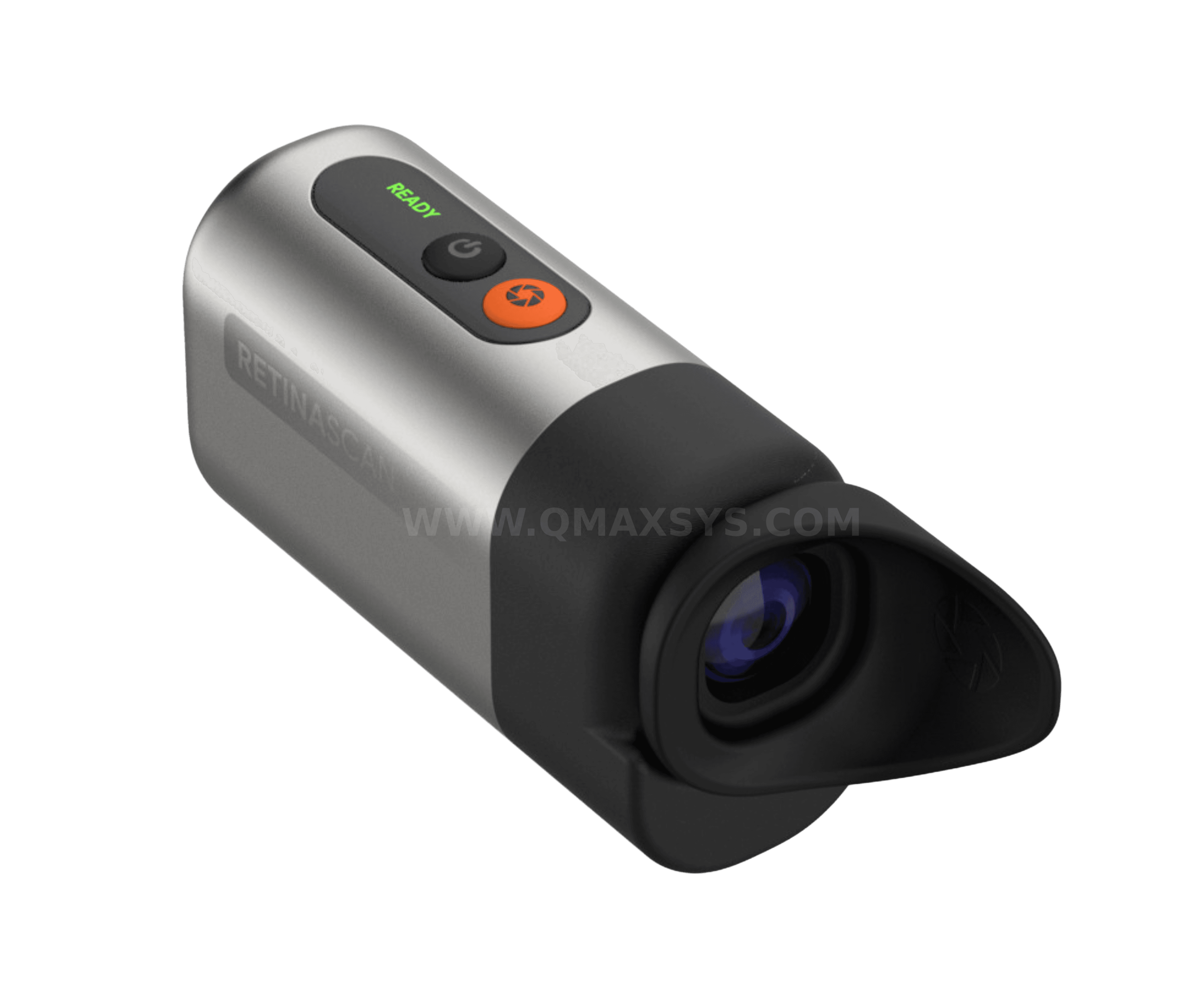
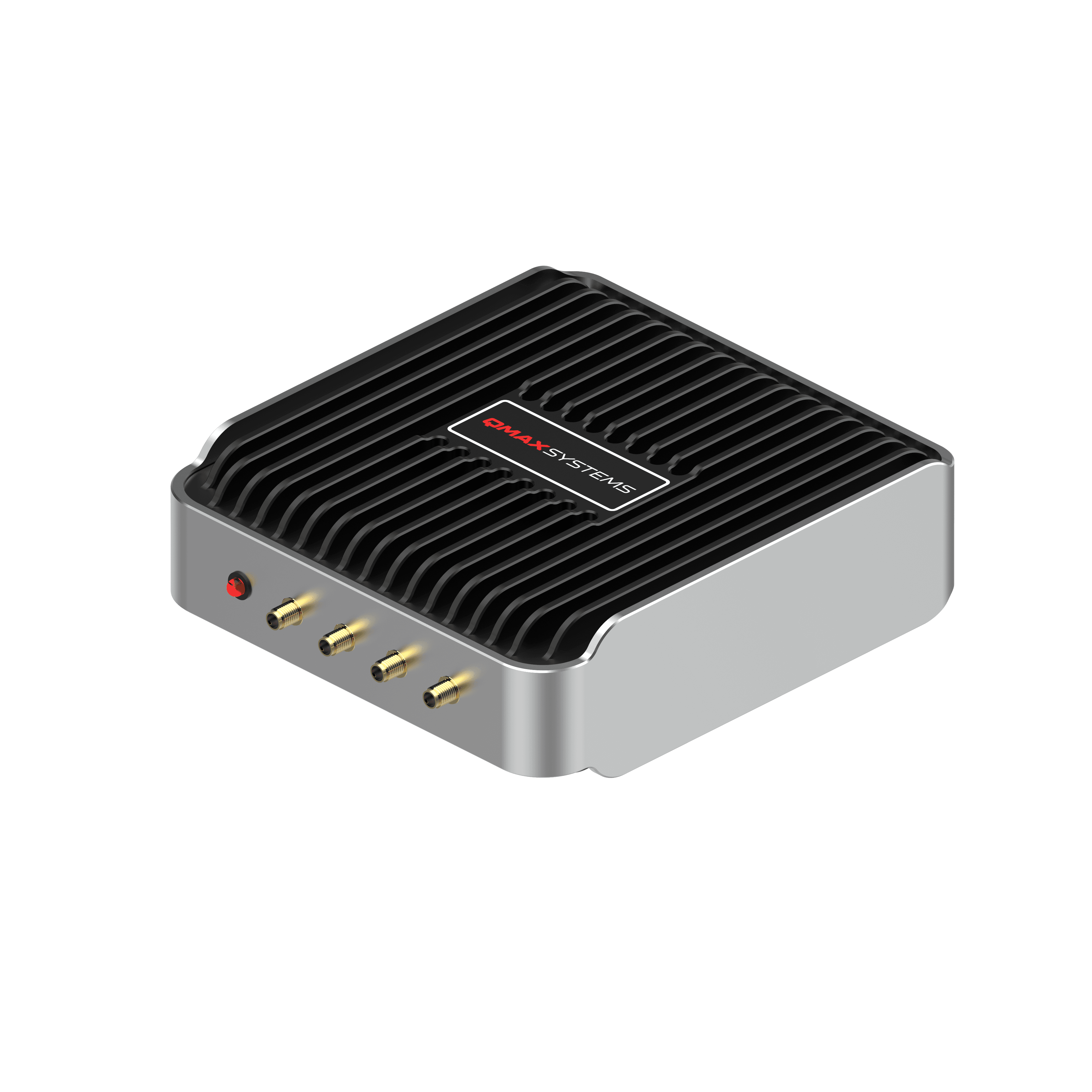
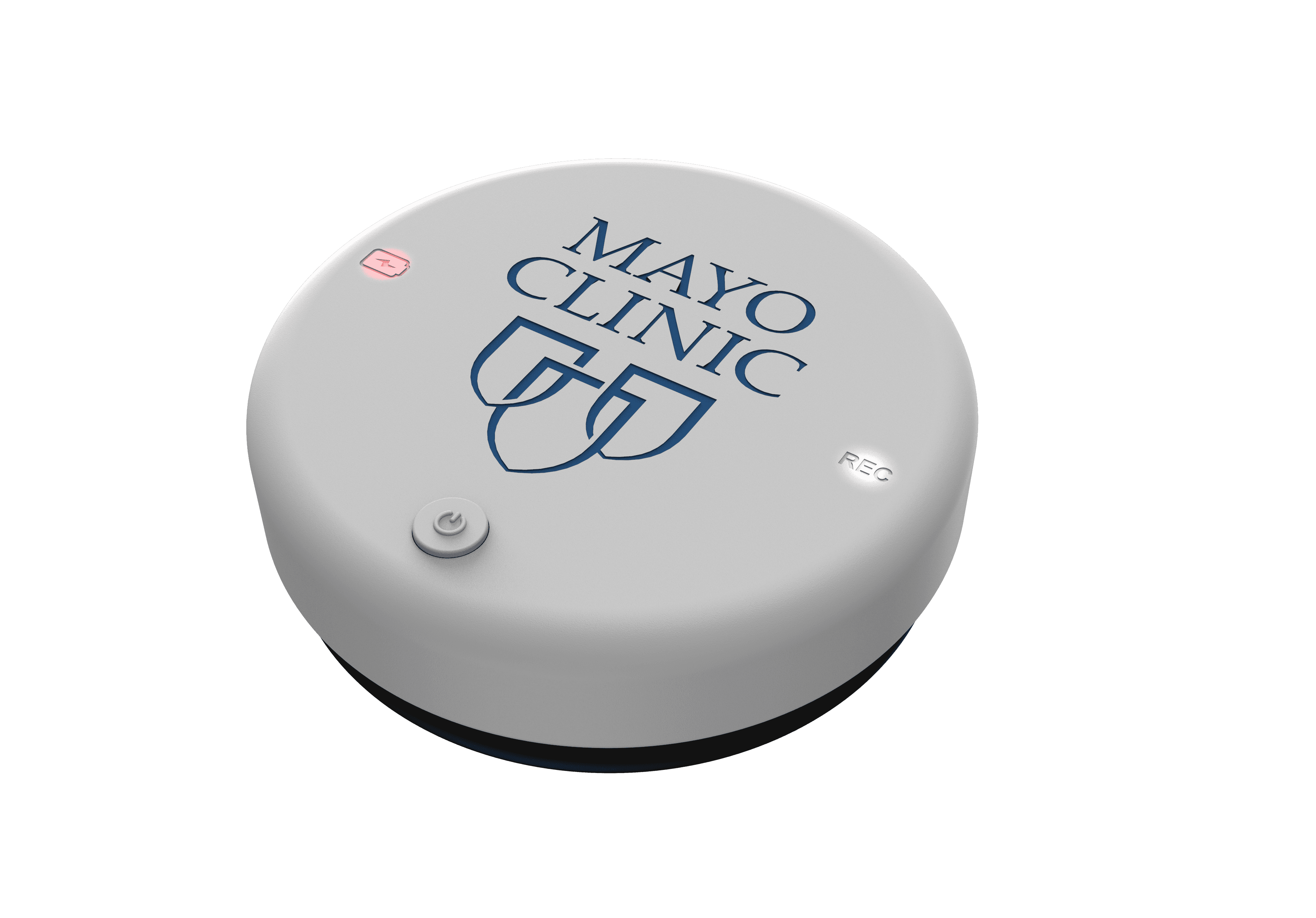
Before committing to tooling or production, clients require presentation-quality visual assets for investor briefings, product launches, e-commerce listings, and regulatory submissions. Our rendering team produces studio-grade photorealistic images and high-definition product animation videos directly from CAD data.
Qmax Systems has direct access to prototype facilities and a vetted manufacturing network to produce functional prototypes in the fastest possible timeframes.
Prototype Technologies Chosen for Fidelity and Application
CNC Machining: Precision parts cut from real production materials (aluminum, stainless steel, engineering plastics)
FDM (Fused Deposition Modeling): The fastest, lowest-cost way to check form and fit early in the design.
SLA (Stereolithography): Smooth, high-detail prototypes polished enough for design validation and investor demos.
SLS (Selective Laser Sintering): Strong, complex-geometry parts built without supports - ready for mechanism testing.
Vacuum Casting: Small polyurethane batches for pre-production user trials and market testing.
What is industrial design, and how is it different from mechanical design?
Industrial design (ID) focuses on the form, aesthetics, ergonomics, user experience, and material selection of a product. Mechanical design focuses on structural integrity, functional mechanisms, tolerances, and engineering analysis. At Qmax Systems, both disciplines operate in parallel from the outset of a project, ensuring that form and function are developed as an integrated system rather than as separate workstreams.
At what stage should I engage an industrial design team?
The earlier, the better. Engaging industrial design from the concept phase allows design decisions to directly influence engineering architecture, Bill of Materials cost, and manufacturing approach. Retrofitting industrial design onto a completed mechanical design is expensive and often results in compromised outcomes. Qmax Systems recommends initiating ID engagement prior to CAD modeling.
Can Qmax Systems handle both industrial design and mechanical engineering on the same project?
Yes. Qmax Systems operates as a multidisciplinary product development organisation. Our in-house team includes industrial designers, mechanical engineers, and electronics engineers. Integrated project delivery eliminates the coordination overhead and technical translation errors that arise when these disciplines are managed separately.
Which industries does Qmax Systems work with?
Qmax Systems has delivered industrial design and product development programmes across consumer electronics, industrial equipment, medical devices, defense systems, renewable energy, automotive accessories, and retail products. Our process is industry-agnostic; we adapt to the specific compliance requirements, user environments, and manufacturing constraints of each sector.
How does Qmax Systems’s approach to design evolving in the era of AI and emerging technology?
We leverage advanced AI-driven generative design tools to explore complex geometries and optimise material usage. Our team integrates emerging technologies—such as IoT sensors and AR interfaces—directly into the physical form, ensuring that innovation enhances usability rather than complicating it.
What makes Qmax Systems different from other design consultancies?
Our distinction lies in our engineering-first mindset. Unlike traditional design studios that focus solely on aesthetics, we treat industrial design as a technical discipline. Every curve, material choice, and interface detail is validated against manufacturing realities, regulatory standards, and cost targets from day one.