High-Performance Digital Systems - Qmax Systems

Analog and Mixed-Signal PCB Design Grounding, Shielding, and Noise Control

Qmax Systems provides analog and mixed-signal PCB design that combines high-sensitivity analog signal chains with high-speed digital processing on a single board. Qmax Systems engineers treat the layout as part of the electrical system - controlling grounding topology, shielding, and power filtering so signal integrity, noise floor, and measurement accuracy hold under real conditions.

Talk to Our Engineers

Our Core Service Offerings

Analog circuits are extremely sensitive to noise sources that digital designs can tolerate.

What we deliver

Qmax Systems designs analog signal chains that operate in a continuous voltage domain, where circuits are far more sensitive to noise than digital logic running at discrete levels. Qmax's engineers identify and suppress the dominant coupling paths - digital switching transients, power-supply ripple on shared PDN rails, ground-return disturbances, and trace-to-trace crosstalk at high-impedance nodes - before layout begins. These designs serve scientific instruments, industrial sensing, medical electronics, and measurement systems.

  • Digital Switching Transients - fast edge rates from digital ICs couple into sensitive analog traces through shared ground planes and adjacent routing.
  • Power Supply Ripple - switching-regulator noise propagates through shared PDN rails to precision analog front-ends and ADC reference pins.
  • Ground Return Current Disturbances - return currents from digital loads flow through analog ground regions, introducing voltage offsets.
  • Crosstalk Between Signal Traces - electromagnetic coupling between adjacent traces rises at high-impedance analog nodes.

Typical applications: Scientific instruments · Industrial sensing · Medical electronics · Measurement systems

Applications & Real-World Project Experience

Qmax Systems delivers field-proven expertise in developing mission-critical hardware. Our portfolio includes:

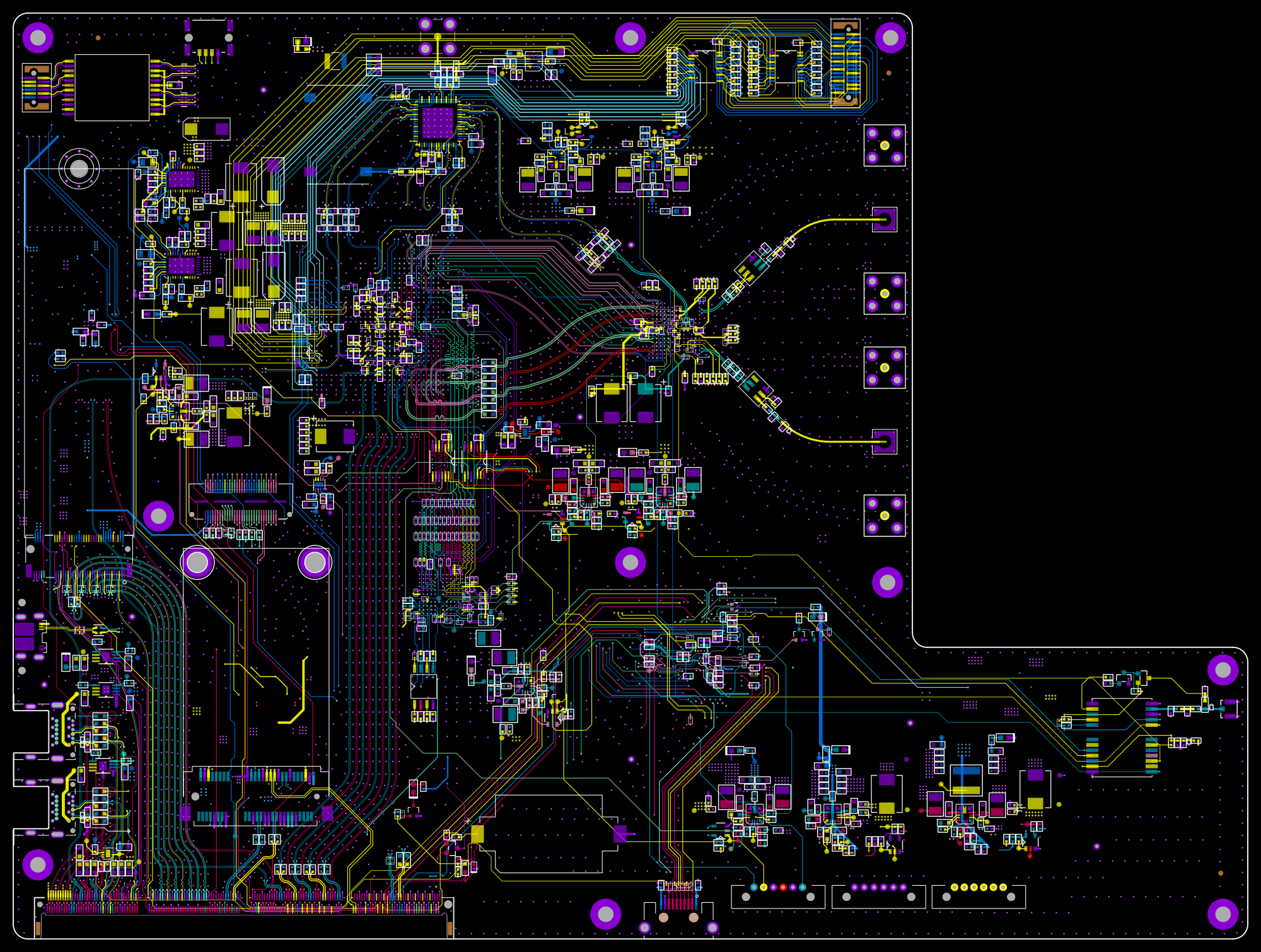
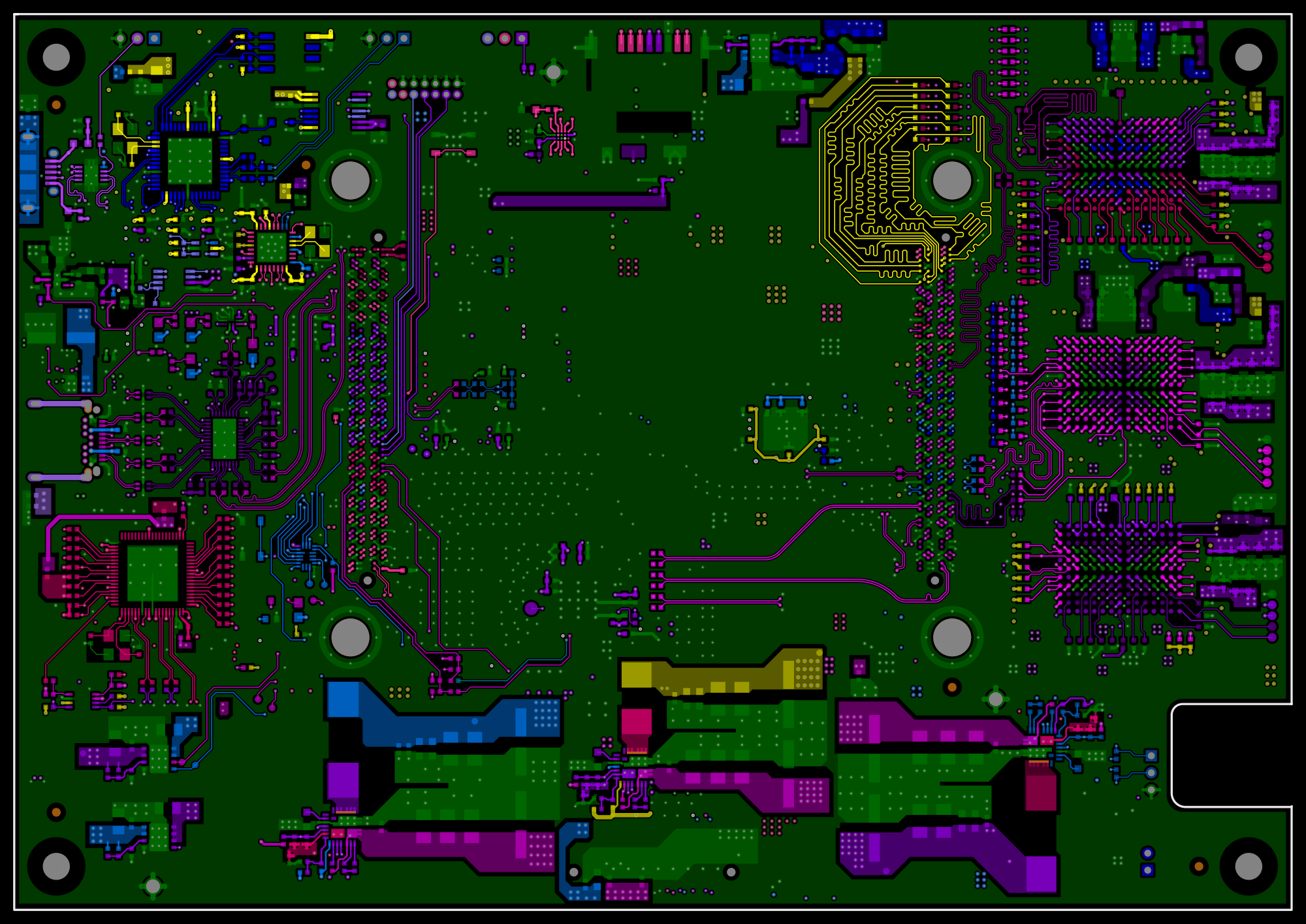
High Speed Analog Board

High Speed Analog Board

A high-speed analog embedded board engineered for precision signal processing, low-noise performance, and reliable high-frequency operation.

View case study
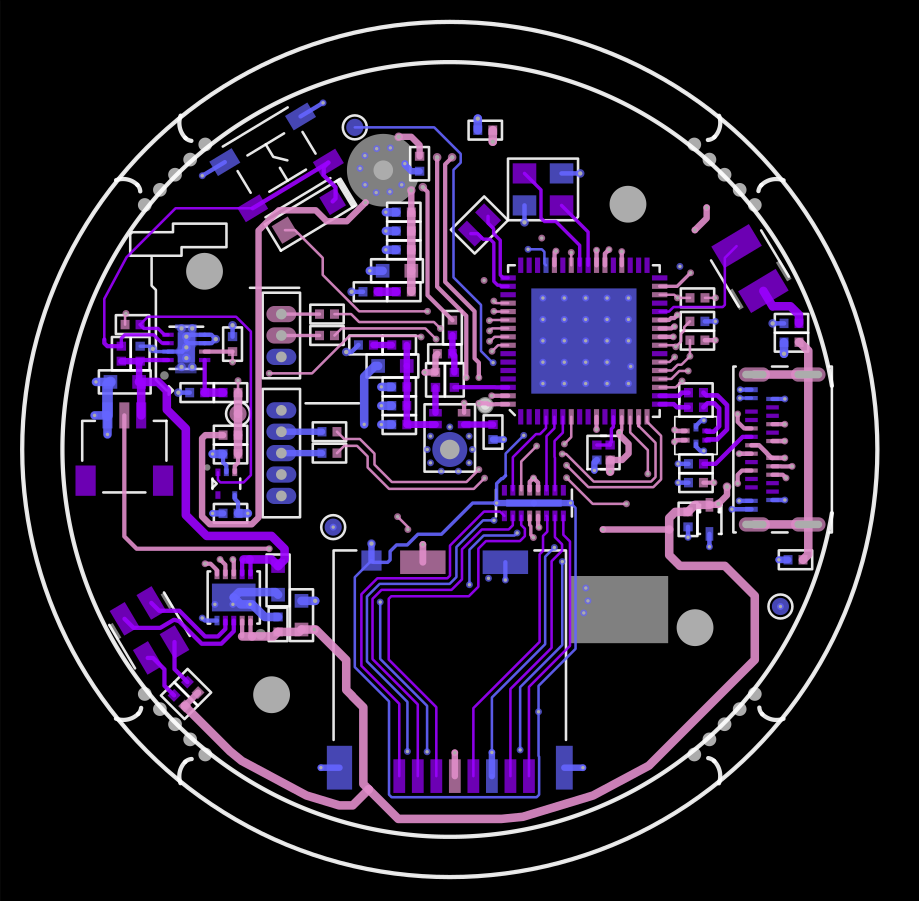
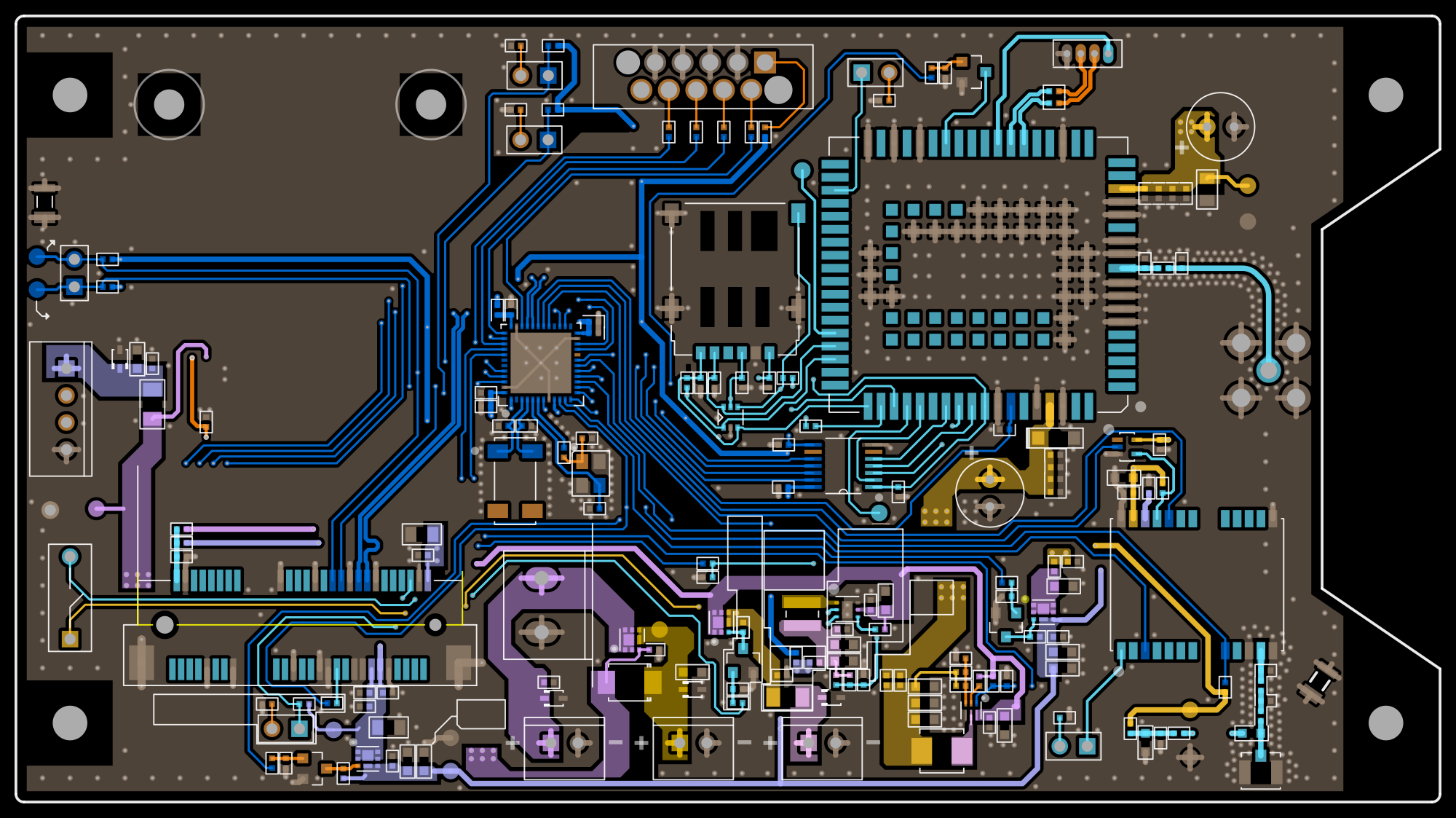
Digital Stethoscope

Digital Stethoscope

Compact multi-layer layout with optimized signal routing, stable power distribution, and dedicated ground reference planes for low-noise analog capture on a digital stethoscope platform.

View case study
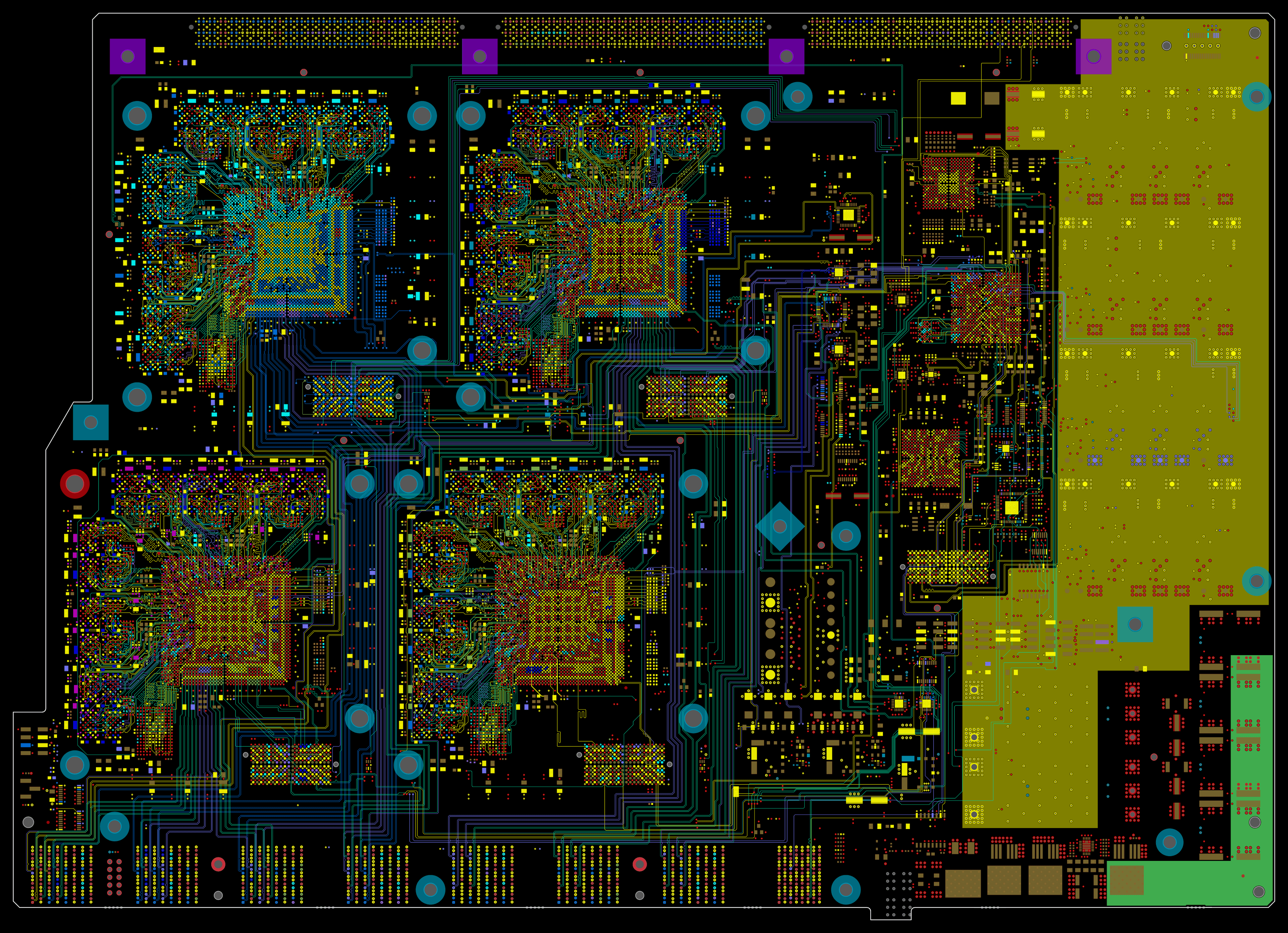
POE Power Injector

POE Power Injector

A multi-port POE power injector (mid-span) that adds POE capability to existing non-POE Ethernet switches. The unit injects power into up to 48 Ethernet ports simultaneously while maintaining full data pass-through at Gigabit speeds. An on-board management interface accessible via TCP/IP and MQTT enables per-port power monitoring, scheduling, and remote reboot. Three simultaneous operating modes allow mixed 802.3af, 802.3at, and 802.3bt devices on the same chassis.

View case study
High Speed Analog Mux

High Speed Analog Mux

AcellentTech BR is an embedded systems platform designed for reliable hardware integration, efficient communication handling, and scalable industrial deployment.

View case study
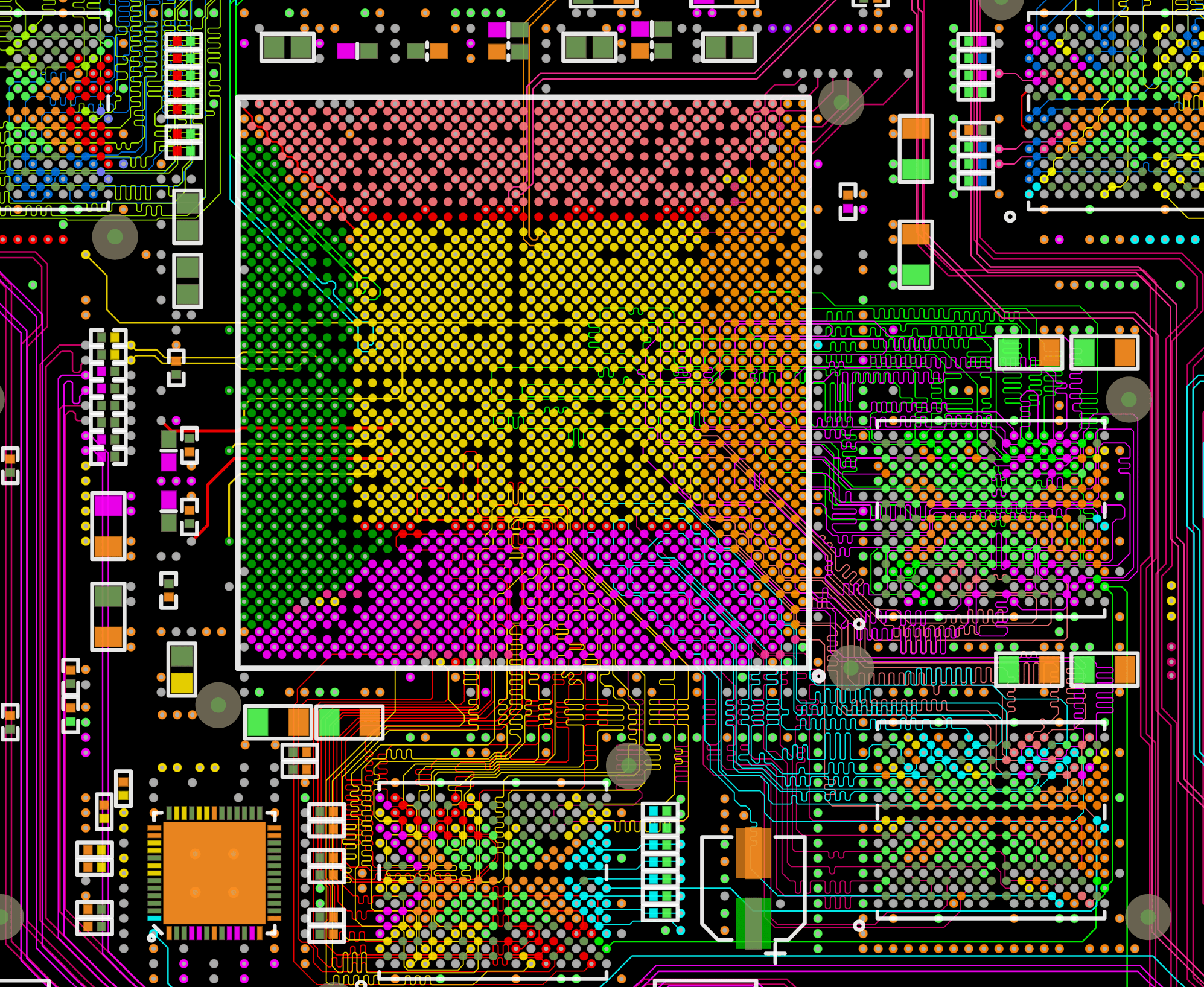
High Speed Camera Interface

High Speed Camera Interface

EMI-hardened layout for a high-speed camera interface board, with controlled return paths, shielding discipline, and noise isolation between sensitive analog front-ends and high-speed digital processing.

View case study
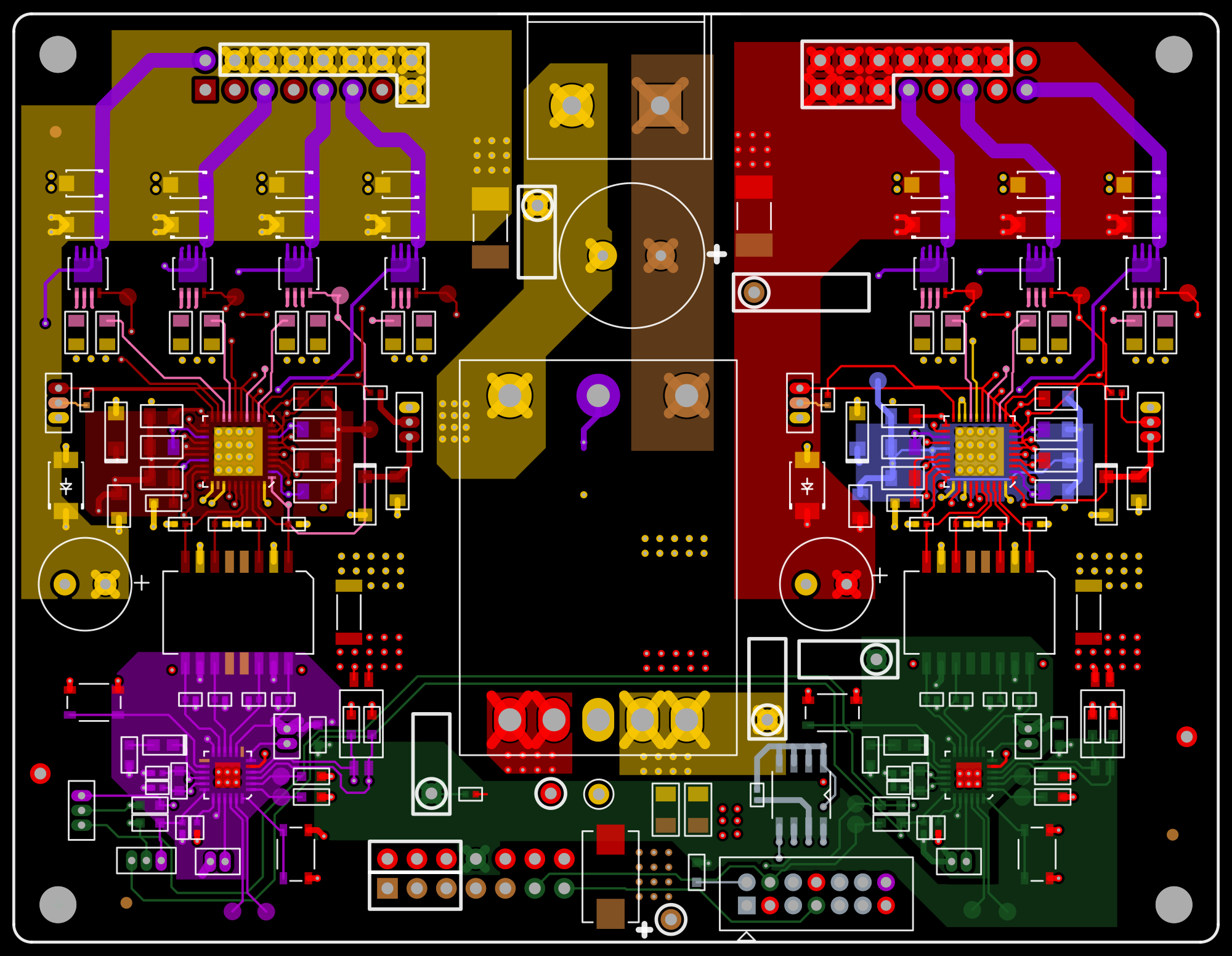
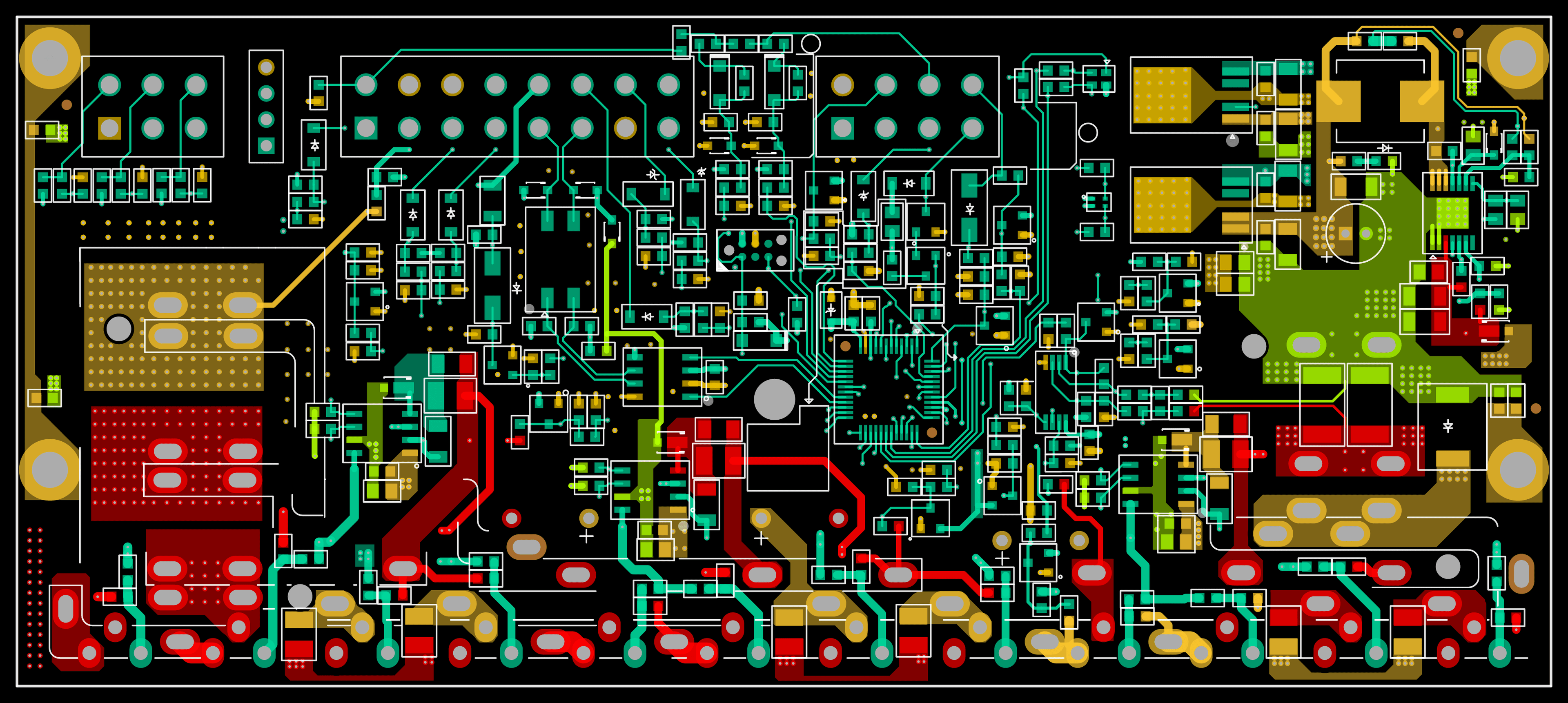
Ultra Low Cost BLDC Motor Controller for EVs

Ultra Low Cost BLDC Motor Controller for EVs

An ultra low-cost BLDC motor controller platform designed for electric vehicles, delivering efficient motor control, compact integration, and reliable embedded performance.

View case study

Why Choose Qmax Systems?

Engineering-led analog and mixed-signal PCB design - built for first-time-right performance from schematic to production.

First-Time-Right Philosophy

Qmax Systems prioritizes early risk identification at the schematic stage to eliminate costly PCB re-spins.
Engineering-Led Design

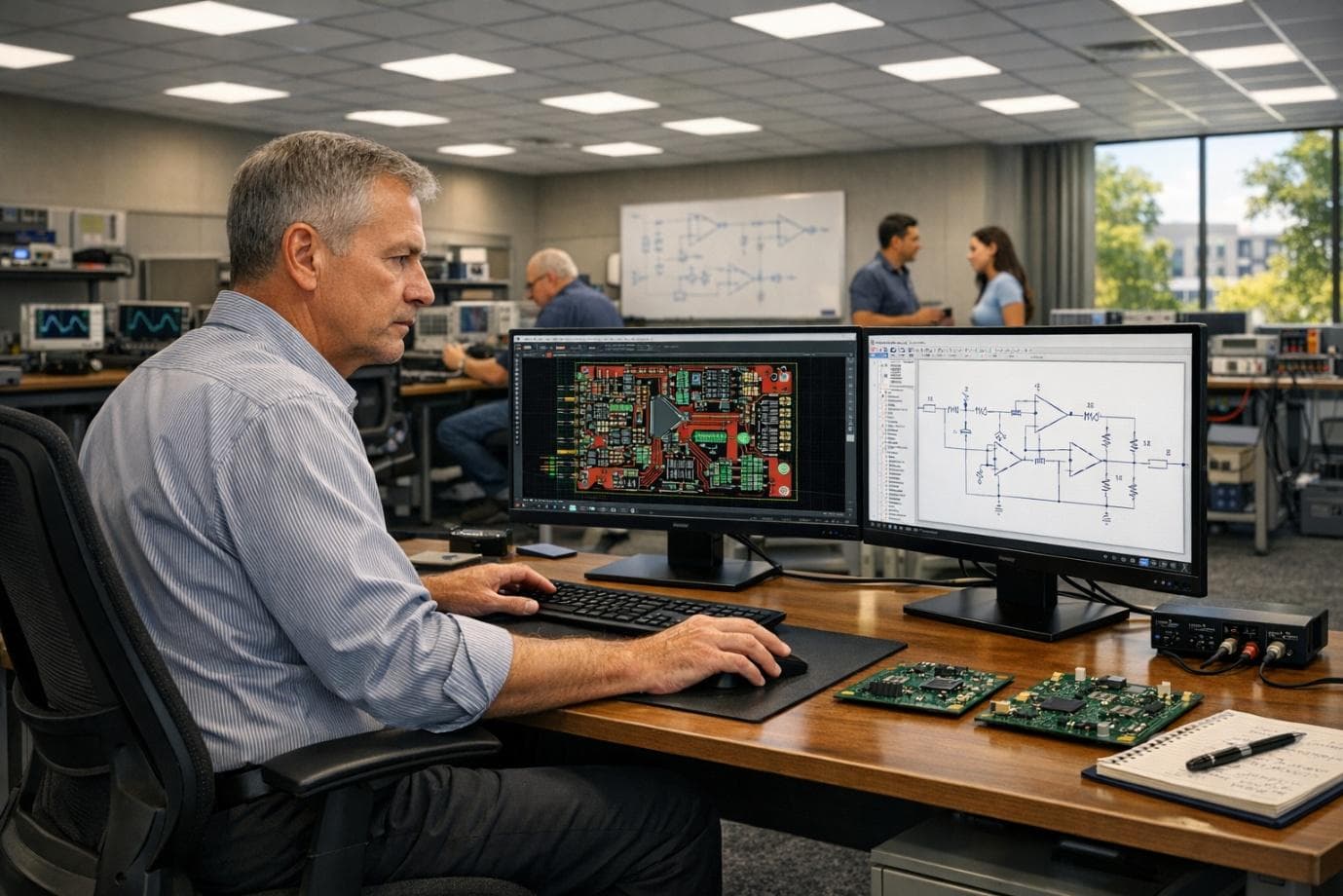
All our PCB designers are Electrical Engineers capable of performing complex circuit and noise analysis.

DFM/DFT Validation

We deliver 100% DFM-verified files tailored to each fabrication house's specific capabilities.

IP Ownership

All design files, libraries, and simulation data remain the sole property of the customer.

Questions? Let's Talk! Contact us. Saravanabhavan, Founder & CEOQuestions?
Let's Talk!
Contact UsSaravanabhavan
Founder & CEO

Get a Complimentary Consultation with Our Analog & Mixed-Signal Experts.

1-hour session with a Qmax Systems Senior Hardware Architect. Practical, engineering-driven - no sales pitch.
Schedule Consultation

Case Studies

More Case Studies

Frequently Asked Questions

How do you manage noise in mixed-signal PCB designs?
Qmax Systems manages noise through strategic analog/digital partitioning that physically separates sensitive analog components from noisy digital switching, combined with dedicated return paths and shielding around high-impedance nodes.
Do you support split ground planes?
Yes, where appropriate. We evaluate whether a single solid ground or a split plane bridged at the converters better suits your signal frequencies, preventing common-mode noise and return-path discontinuities.
Can you design for low-noise amplifiers (LNA)?
Yes. We implement guard traces and Faraday shielding to protect low-level signals from external EMI and internal crosstalk in low-noise amplifier front-ends.
Do you handle high-resolution ADC/DAC layout (24-bit+)?
Yes. Qmax Systems focuses on reference-voltage stability, thermal gradient control, and meticulous grounding to preserve the effective number of bits (ENOB) in 24-bit+ converter layouts.
What materials do you recommend for precision analog?
We use FR-4 where suitable, but specify low-loss materials such as Rogers or Megtron 6 for high-frequency or high-impedance analog applications to minimize dielectric absorption.
Do you perform SI/PI simulations for analog boards?
Yes. We use SPICE modeling and 3D EM simulation to validate signal paths and confirm the Power Distribution Network (PDN) is noise-free before fabrication.
How do you mitigate EMI/EMC issues?
We apply an EMC-by-design approach, addressing return-path discontinuities and placing filtering - Pi-filters and ferrite beads - at the noise source.
Can you help with designs that failed ESD/EFT testing?
Yes. Qmax Systems provides rescue services that identify and fix vulnerabilities in existing layouts to pass ESD and EFT compliance.
Do you support medical isolation requirements?
Yes. We design to IEC 60601, ensuring proper creepage and clearance distances for patient safety in medical measurement electronics.
Who owns the IP for a design?
The customer retains 100% ownership of all design files and IP. Qmax Systems retains no rights to schematics, layouts, libraries, or simulation data.
Do you design medical measurement electronics?
Yes. Qmax Systems is an ISO 13485-certified design house and designs medical measurement electronics to IEC 60601 isolation and safety requirements.