Low-Noise Signal Conditioning
Implementation of precision instrumentation amplifiers, active filtering, and impedance matching for microvolt-level signals from sensors, transducers, and bio-potential sources.
Qmax Systems provides analog circuit design services for the physical-to-digital interface, the most critical bottleneck in high-performance electronics. From femto-farad capacitance sensing to giga-sample data converters, Qmax Systems delivers high-fidelity signal acquisition, precision conditioning, and ultra-low-noise design that holds laboratory-grade accuracy in field-deployed hardware.
Qmax Systems designs custom Analog Front-End (AFE) circuits for capacitive, inductive, resistive, and piezoelectric transducer modalities. Our AFE designs are optimized for Signal-to-Noise Ratio (SNR) and Spurious-Free Dynamic Range (SFDR) - critical for industrial sensing, medical instrumentation, and automotive sensor electronics where measurement integrity is non-negotiable.
Typical applications: Industrial sensors · Medical instrumentation · Automotive sensor electronics · Process control · Bio-potential monitoring
Our portfolio includes hundreds of precision analog and mixed-signal platforms delivered to regulated industries, including:
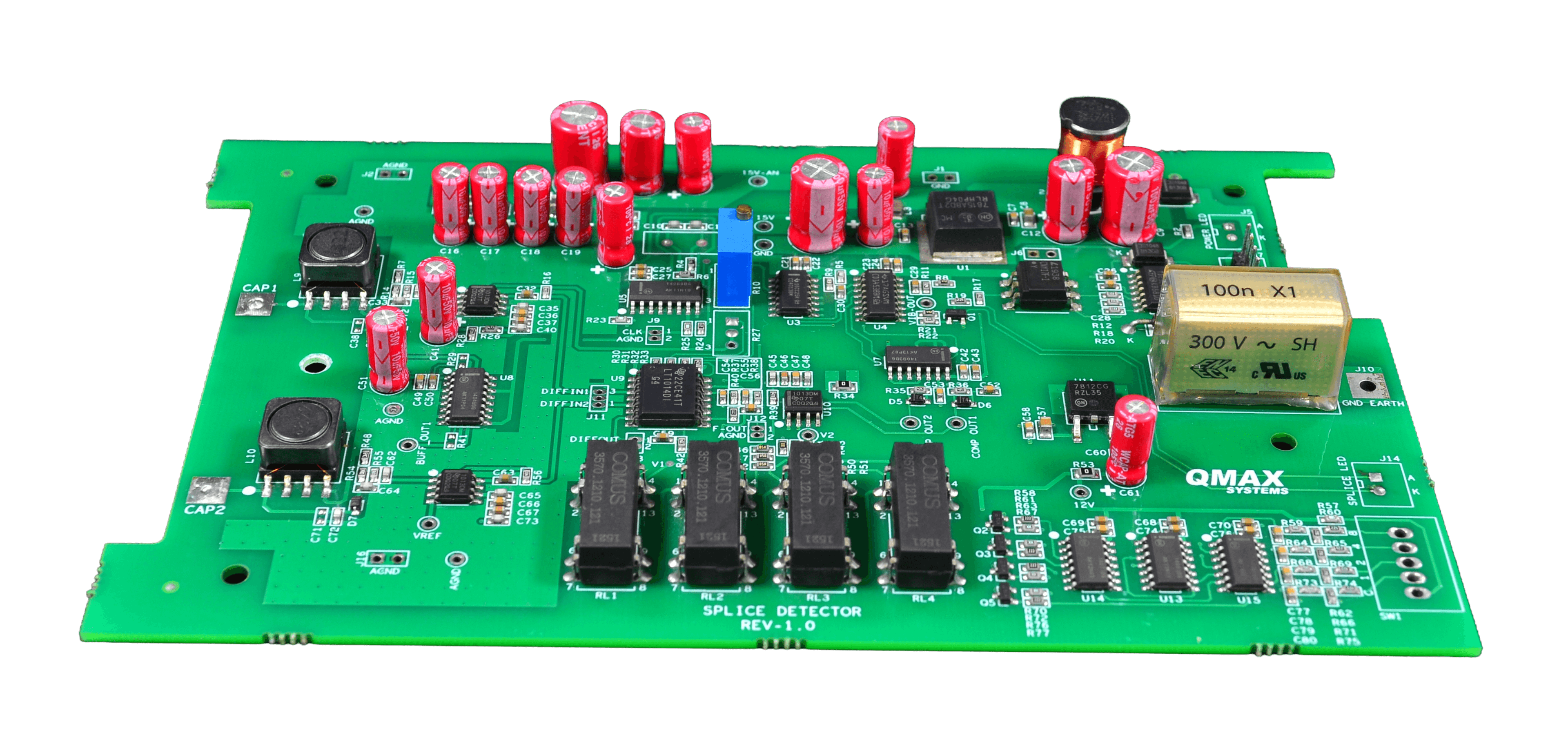
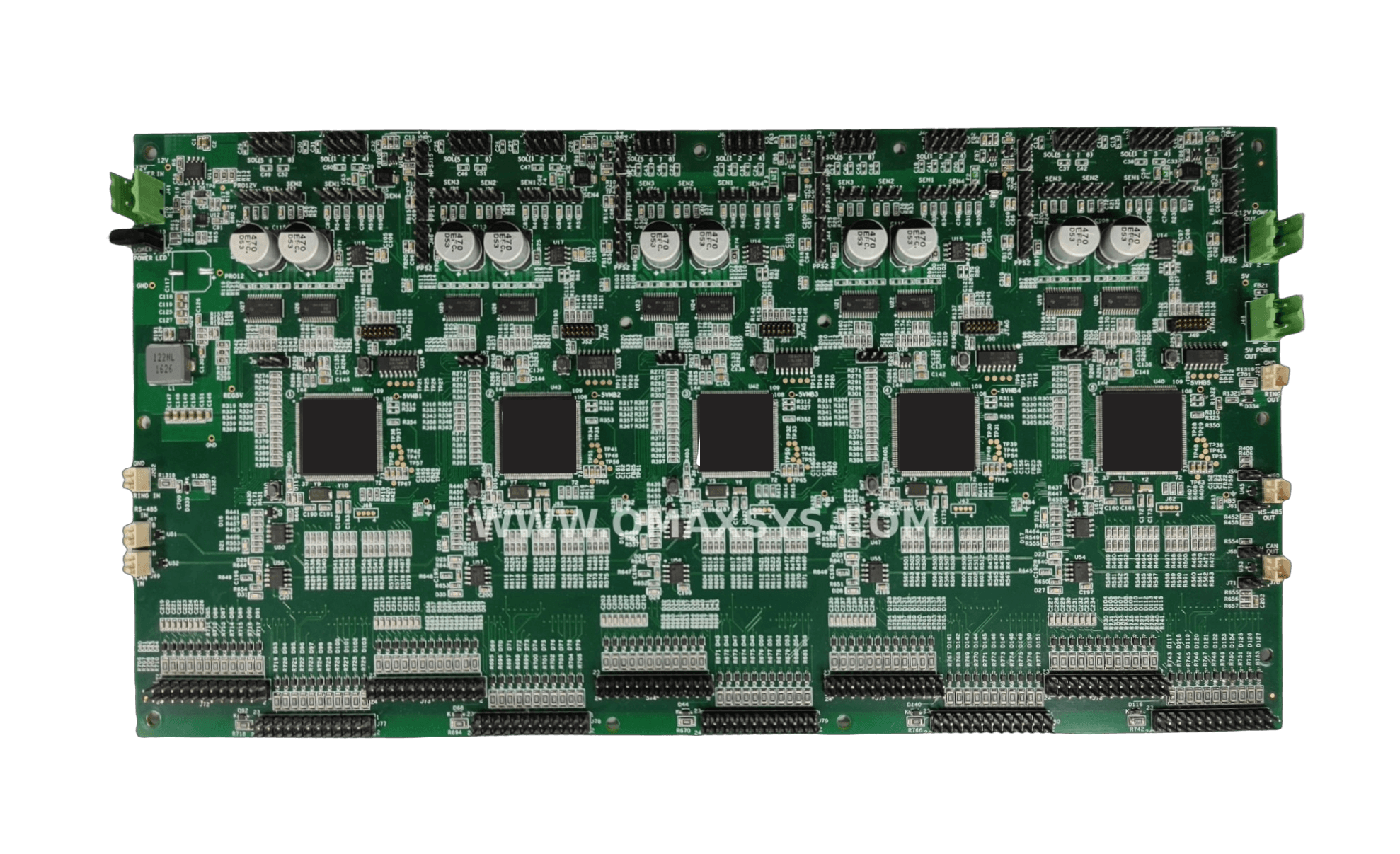
Industrial Defect Monitoring System
High-precision analog sensing and control circuits for an industrial defect monitoring system, with low-noise front-end design and calibrated measurement paths for production-line quality assurance.
View case study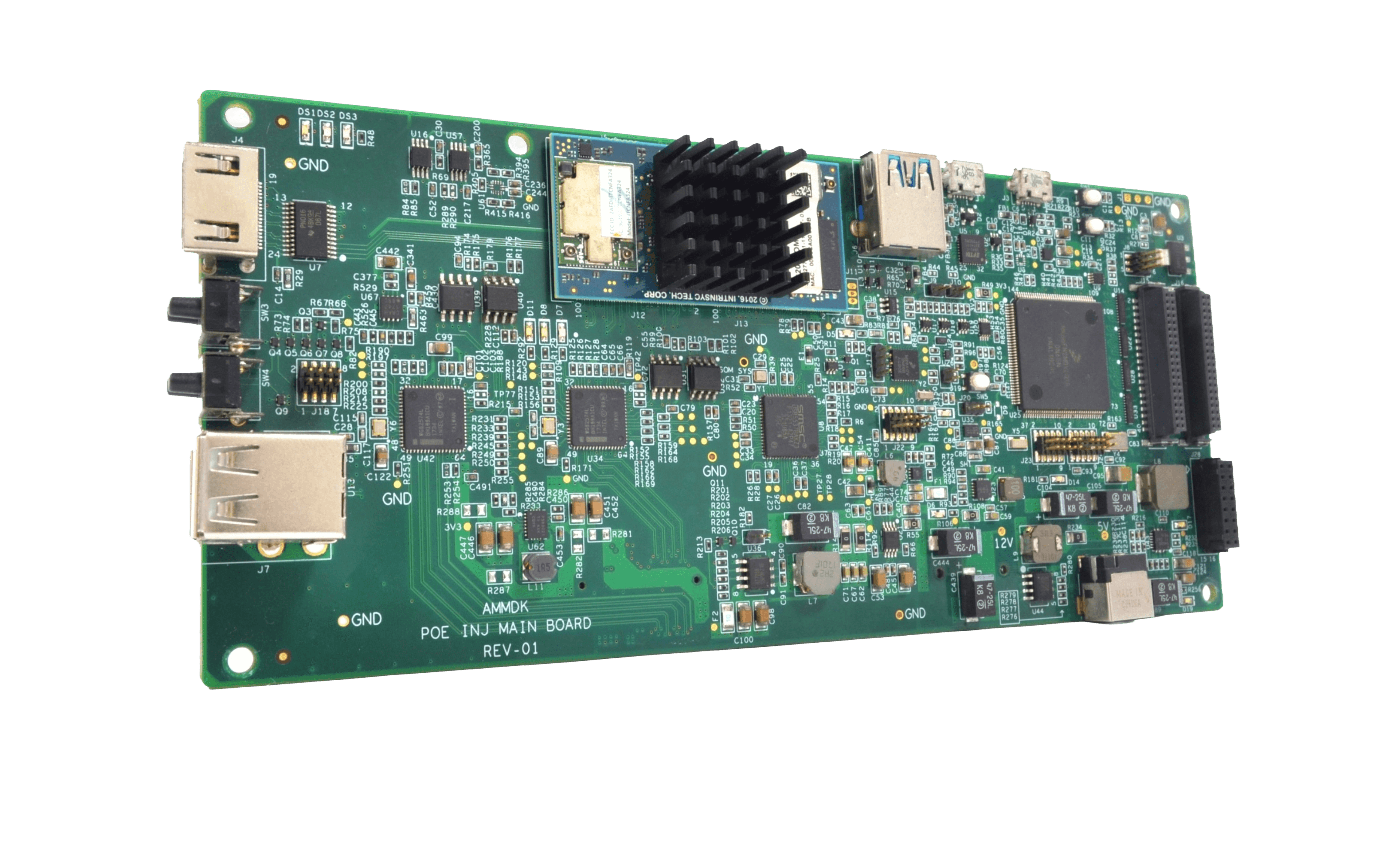
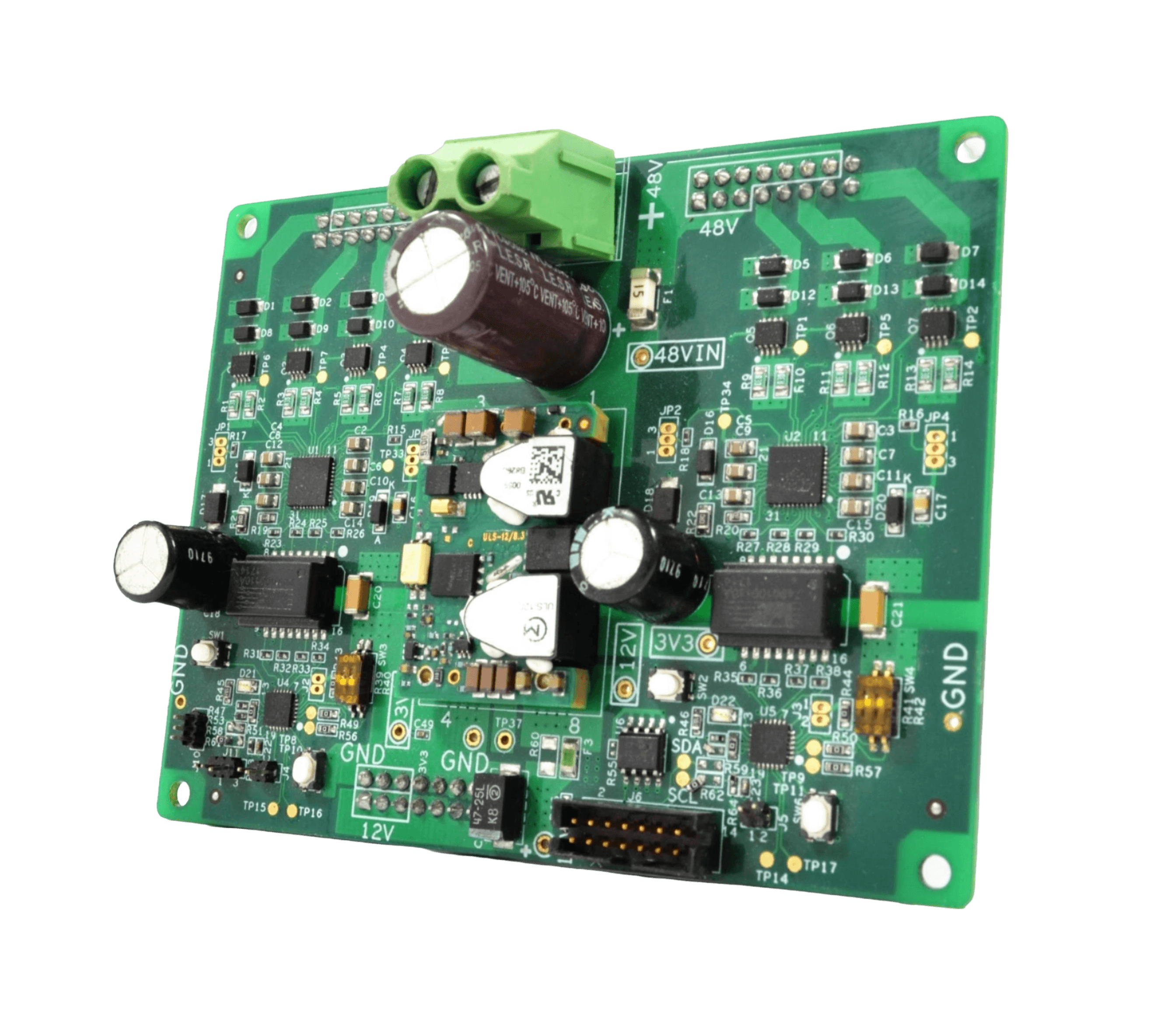
POE Control unit
IEEE 802.3af/at PoE+ power supply and voltage regulation design with per-port power budgeting, fault isolation, and regulated rails for reliable multi-device power delivery in access control and building automation.
View case study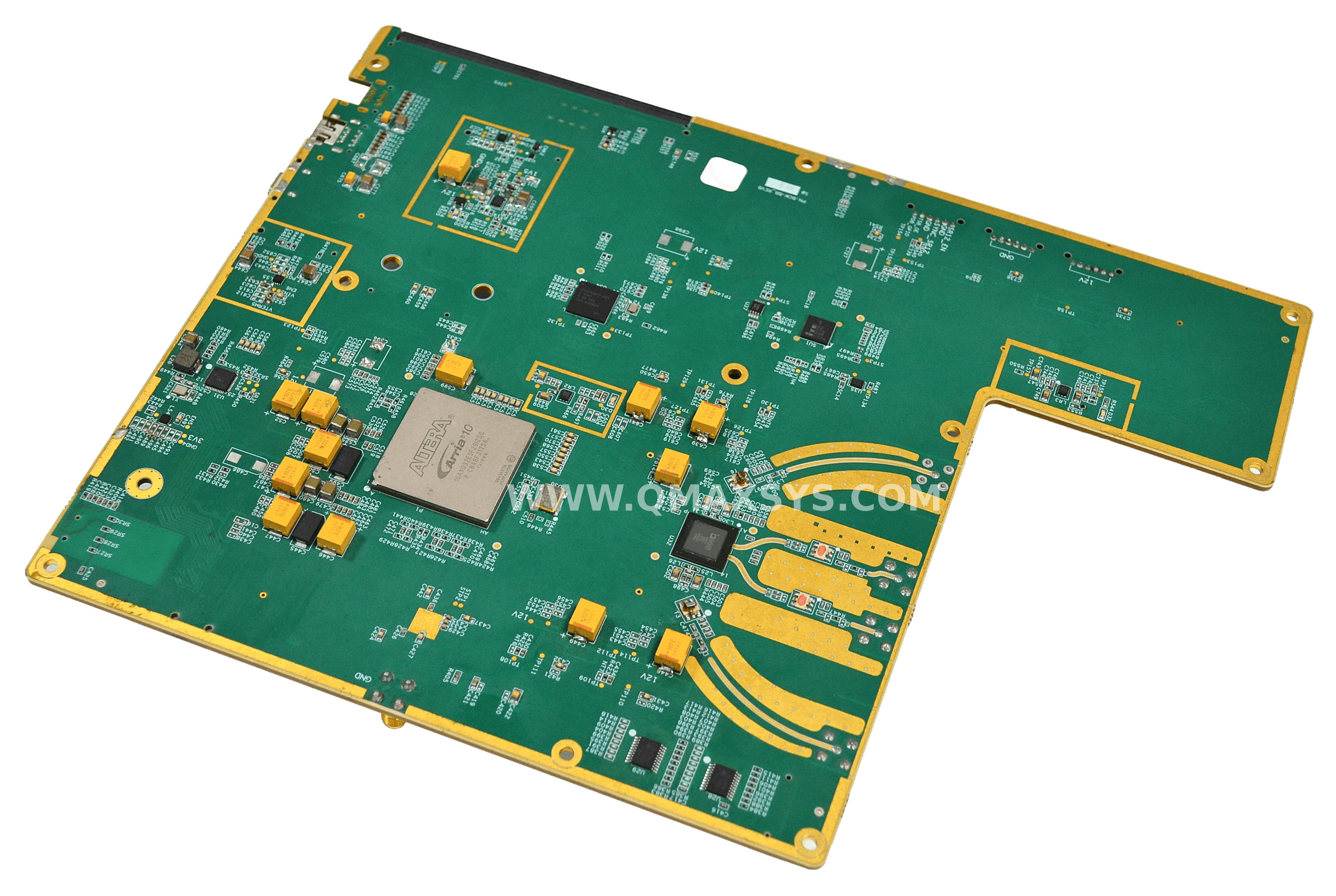
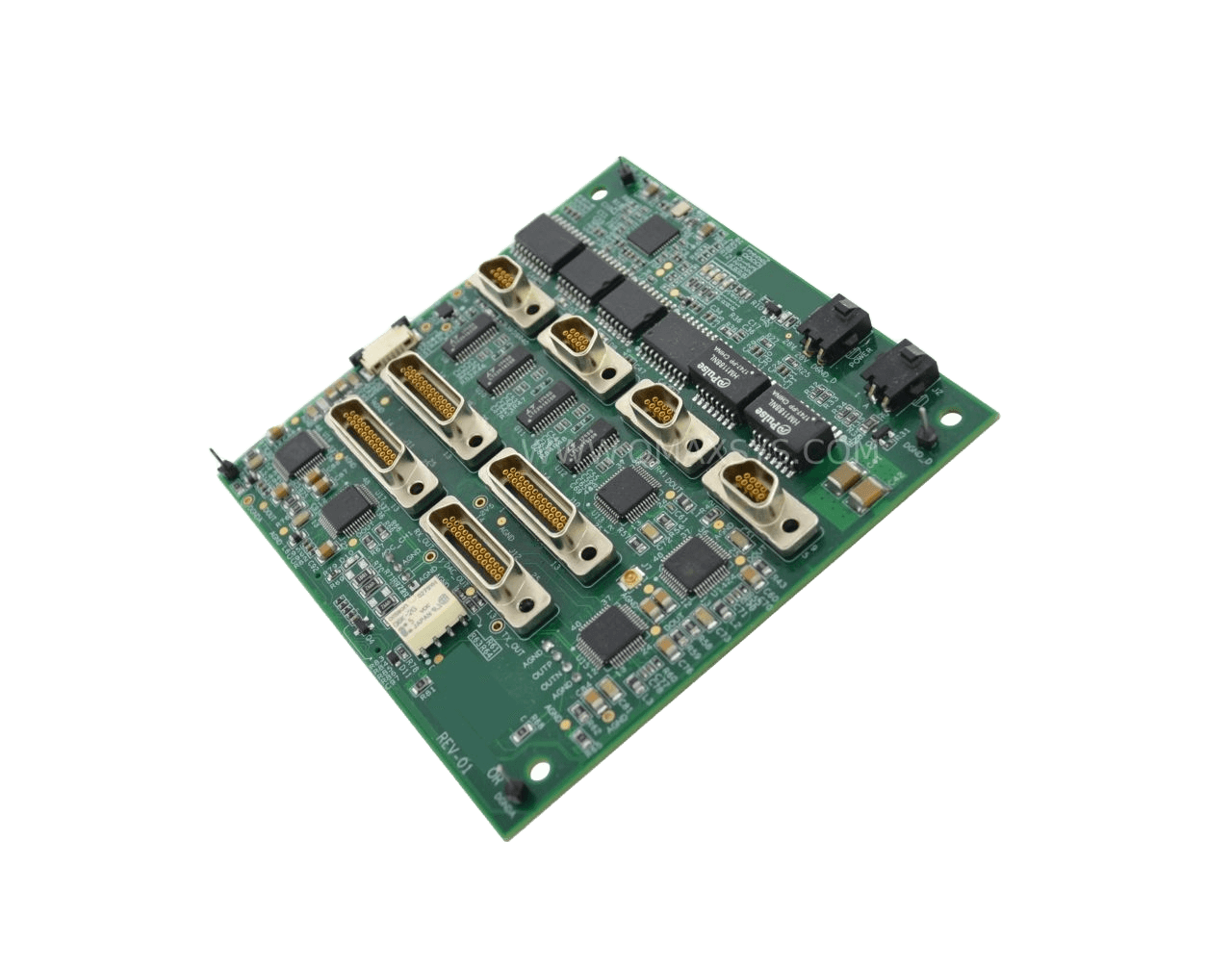
High Speed Analog Board
High-speed analog signal conditioning and amplifier design with low-noise routing, precision gain stages, and ground isolation for high-frequency measurement integrity.
View case study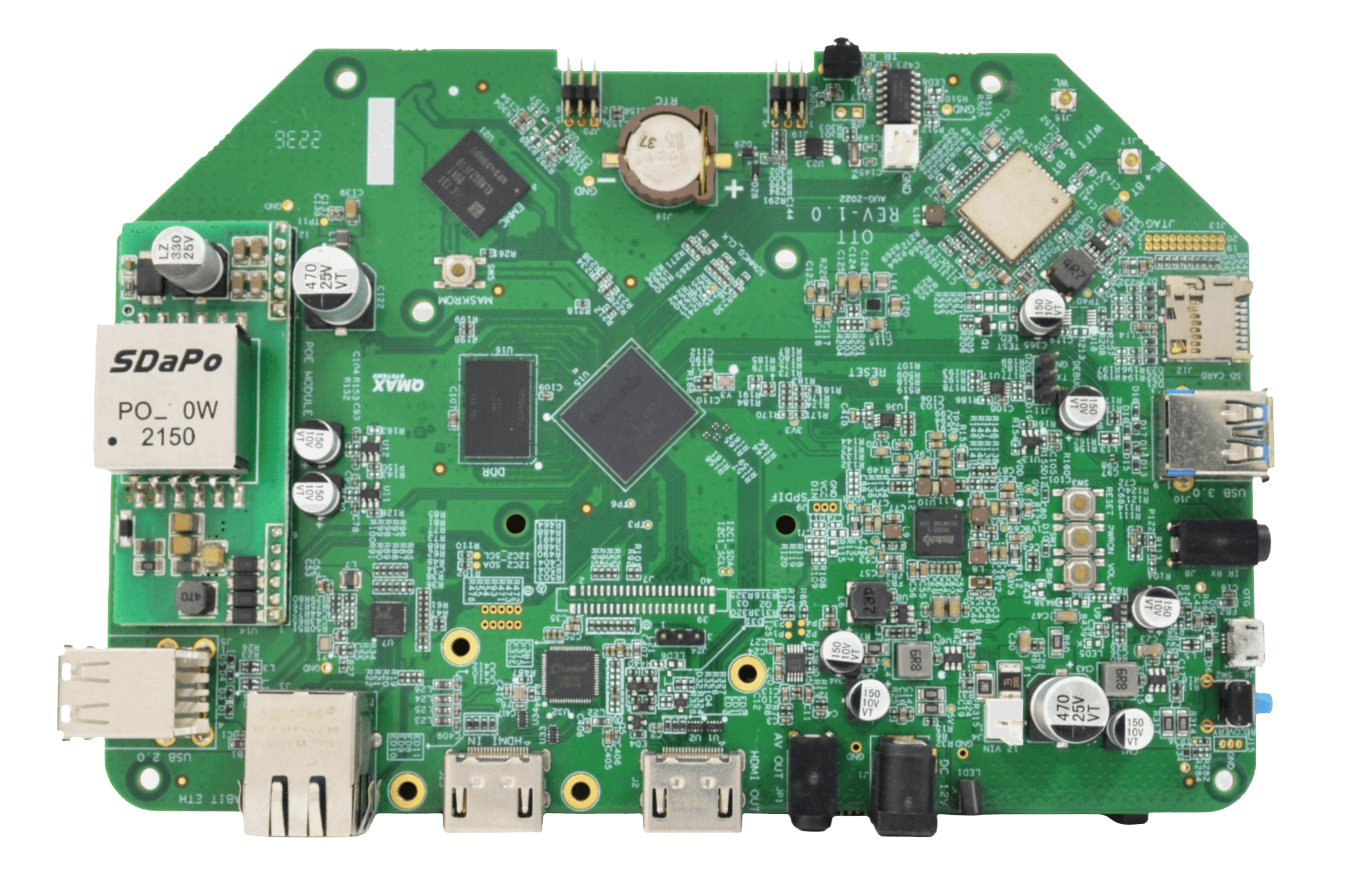
Industrial IOT gateway with POE
Mixed-signal industrial IoT gateway combining analog sensor interfaces, PoE+ power architecture, and digital communication paths for LoRa, BLE, and CAN field connectivity.
View case study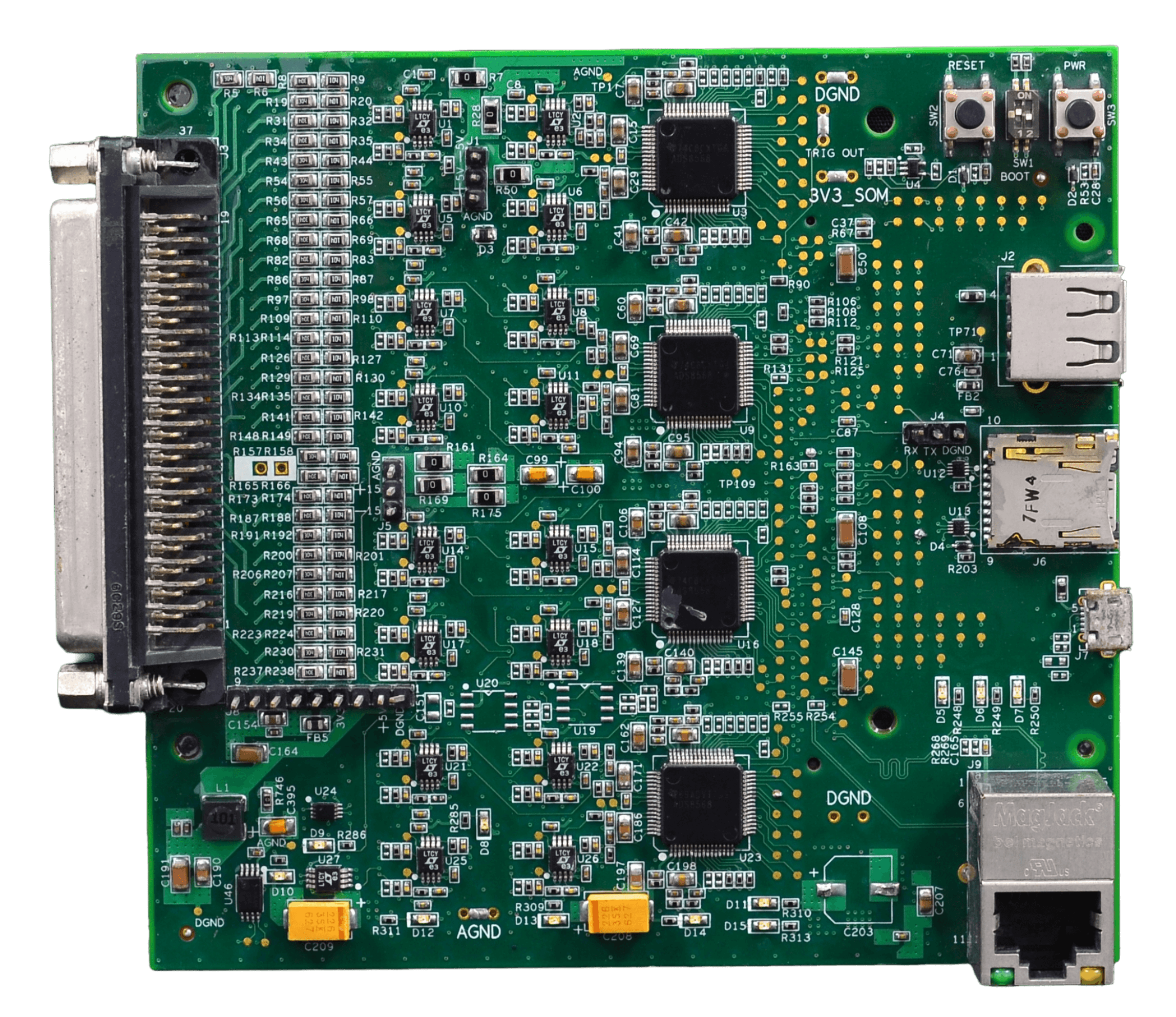
High Speed Analog Mux
Analog PCB layout optimized for noise immunity with shielded routing, dedicated analog ground planes, and mux signal path isolation for reliable multi-channel industrial acquisition.
View case studyQmax Systems bridges the gap between raw physical phenomena and actionable digital data - with rigorous control of noise, signal integrity, and timing across the entire signal chain.
Implementation of precision instrumentation amplifiers, active filtering, and impedance matching for microvolt-level signals from sensors, transducers, and bio-potential sources.
Multi-channel DAQ design with simultaneous sampling, synchronized clock distribution, and JESD204B/C interface management for SDR, instrumentation, and high-resolution measurement systems.
LDO-based precision regulation, split-rail generation, and decoupling strategies to minimize PSRR-related noise and protect microvolt-level sensitive analog signals from power-rail contamination.
Rigorous physical isolation techniques - Moat-and-Bridge PCB structures and Faraday shielding - to protect sensitive analog nodes from digital switching noise and external EMI.
Detailed analysis of current return paths to prevent common-mode noise injection and ensure electromagnetic compatibility (EMC) in dense mixed-signal layouts.
Pairing analog hardware with FPGA-based DSP enables real-time filtering, FFTs, and decimation at the edge - reducing downstream processor load and accelerating system response.
Qmax Systems builds for regulated industries, designing to stringent global standards so hardware holds up under medical, aerospace, and industrial certification.
Standards references: IEC, JEDEC (JESD204B/C), IPC.
You see every milestone, design review, and risk register as it happens. Qmax Systems program managers run a weekly cadence with traceable deliverables, on-time builds, and zero hidden surprises at handover.
Every analog and mixed-signal program starts with R&D and a proof-of-concept build to retire architectural risk early. We confirm feasibility, characterize noise floor, validate AFE topology, and prove critical assumptions before a single production layer is committed.
We select AFEs, ADCs, DACs, FPGAs, and toolchains that fit your existing platform rather than forcing a re-platform. The result is firmware that brings up cleanly, drivers that drop into your OS, and lower long-term maintenance cost.
Qmax Systems analog and mixed-signal engineers average 12+ years across medical instrumentation, industrial sensing, defense electronics, automotive sensor electronics, and consumer wearables. Only senior engineers touch your design - no junior hand-offs, no learning on your timeline.
 Questions?
1-hour session with a Qmax Systems Senior Hardware Architect. Practical, engineering-driven - no sales pitch.